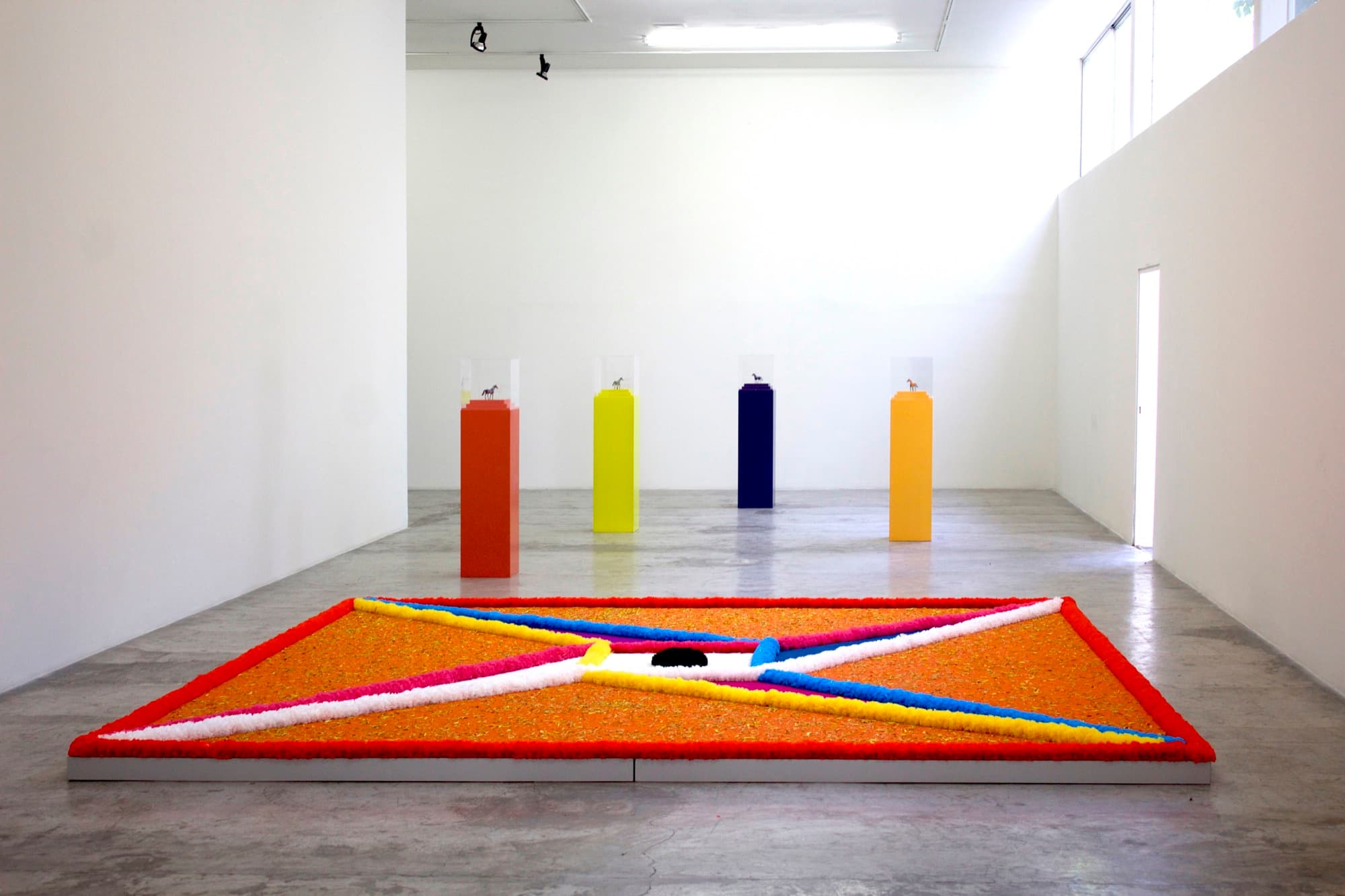
The Barragán Archives
2013–2018
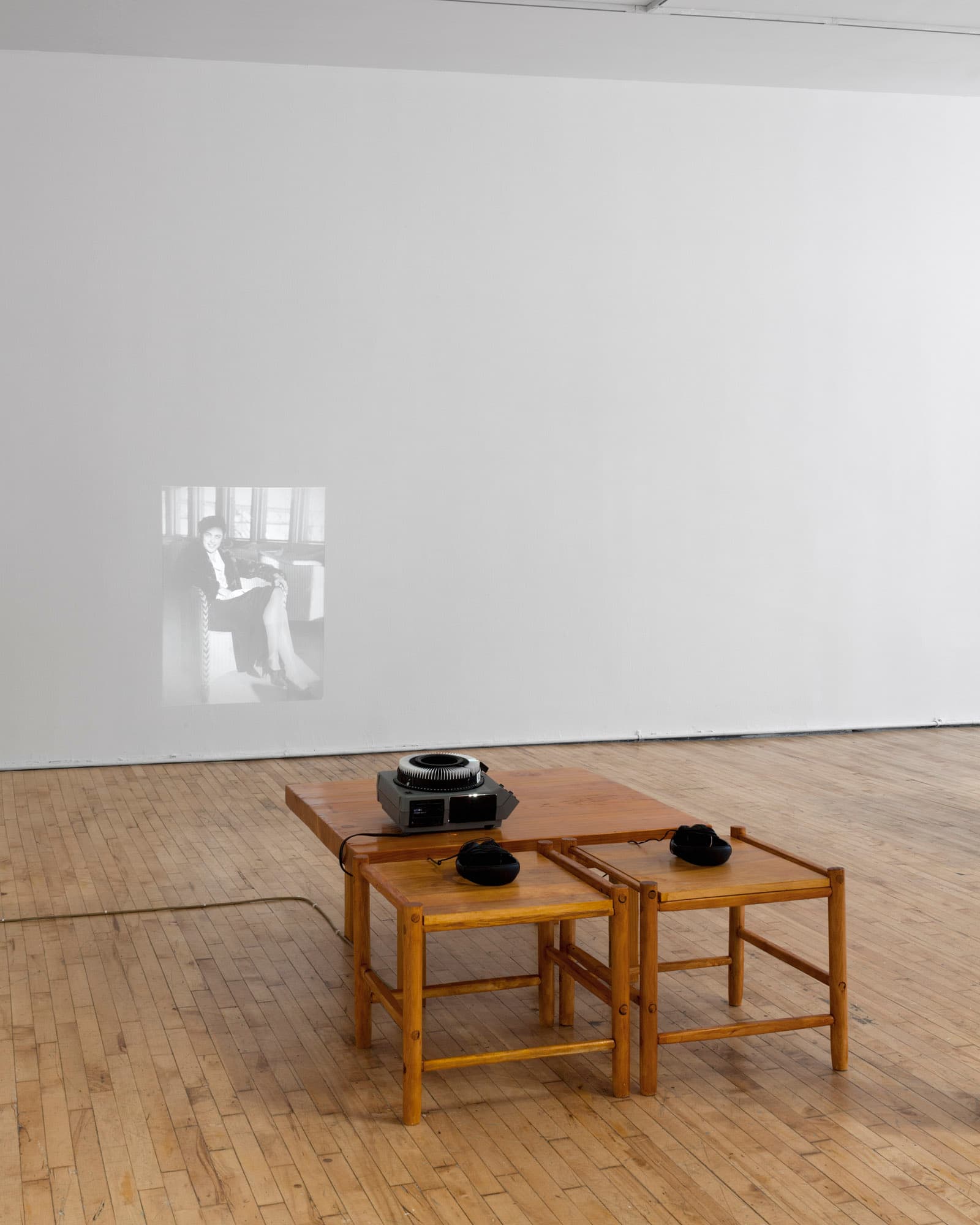
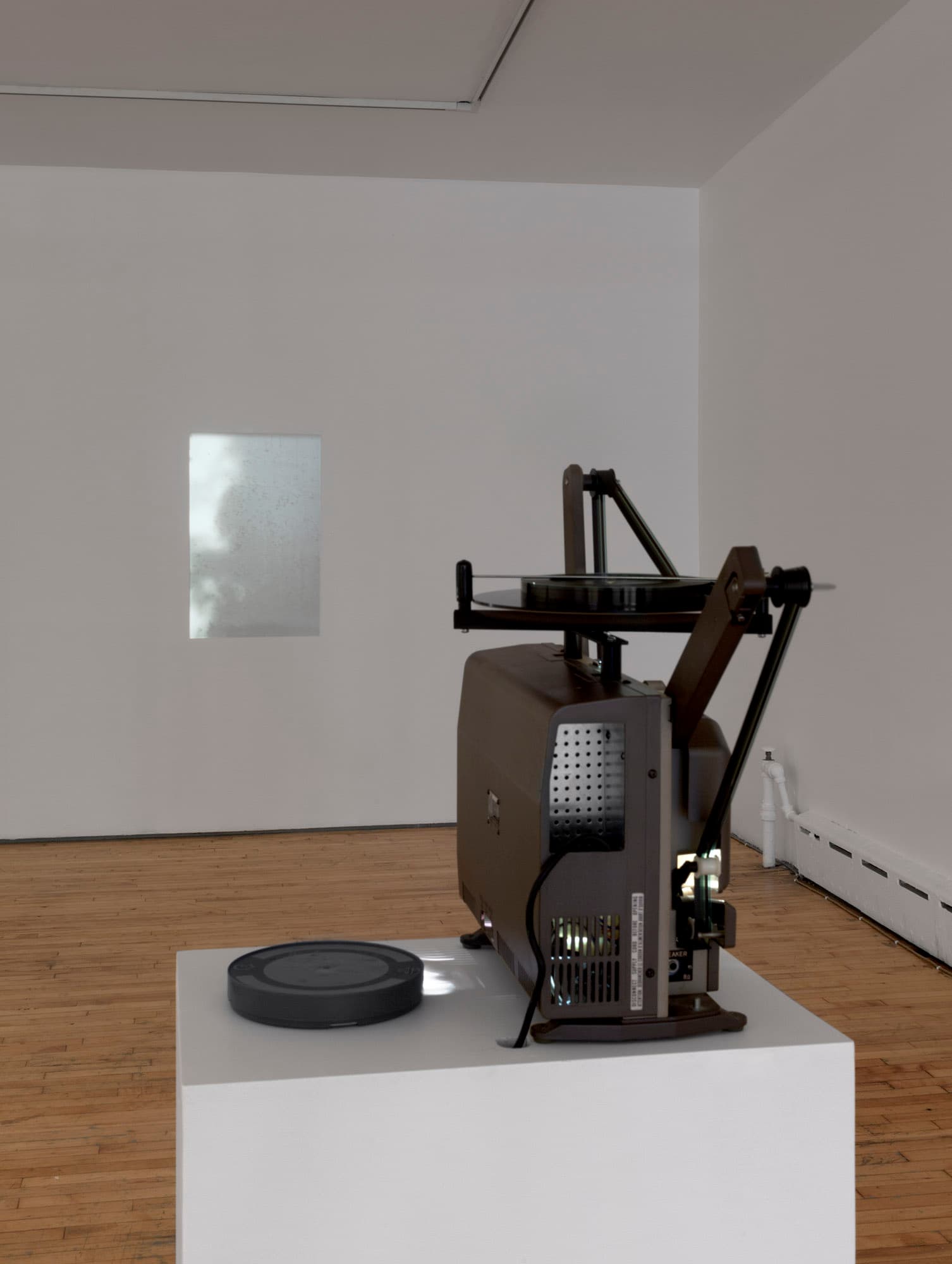
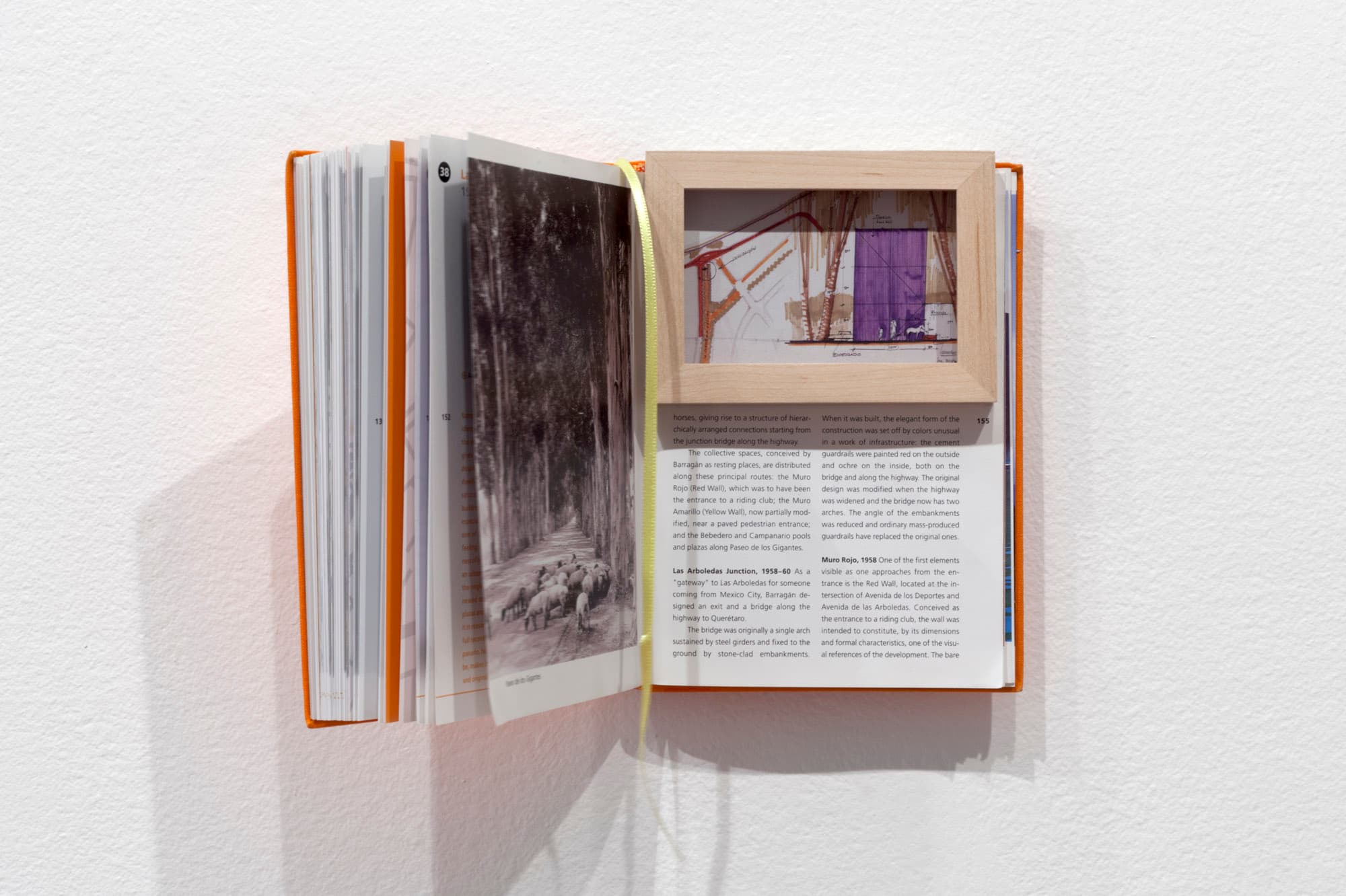
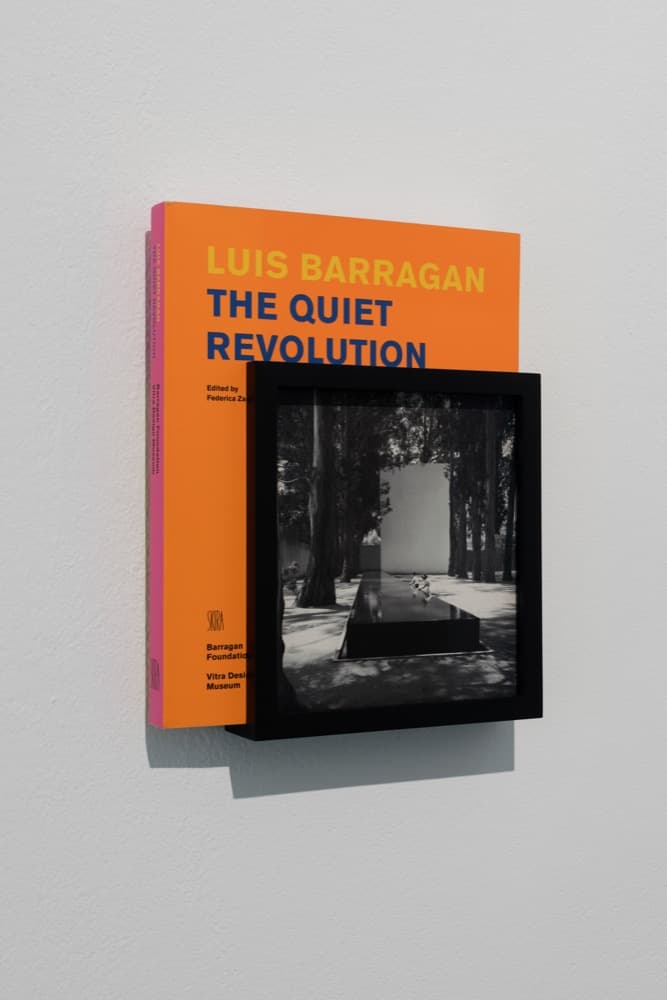
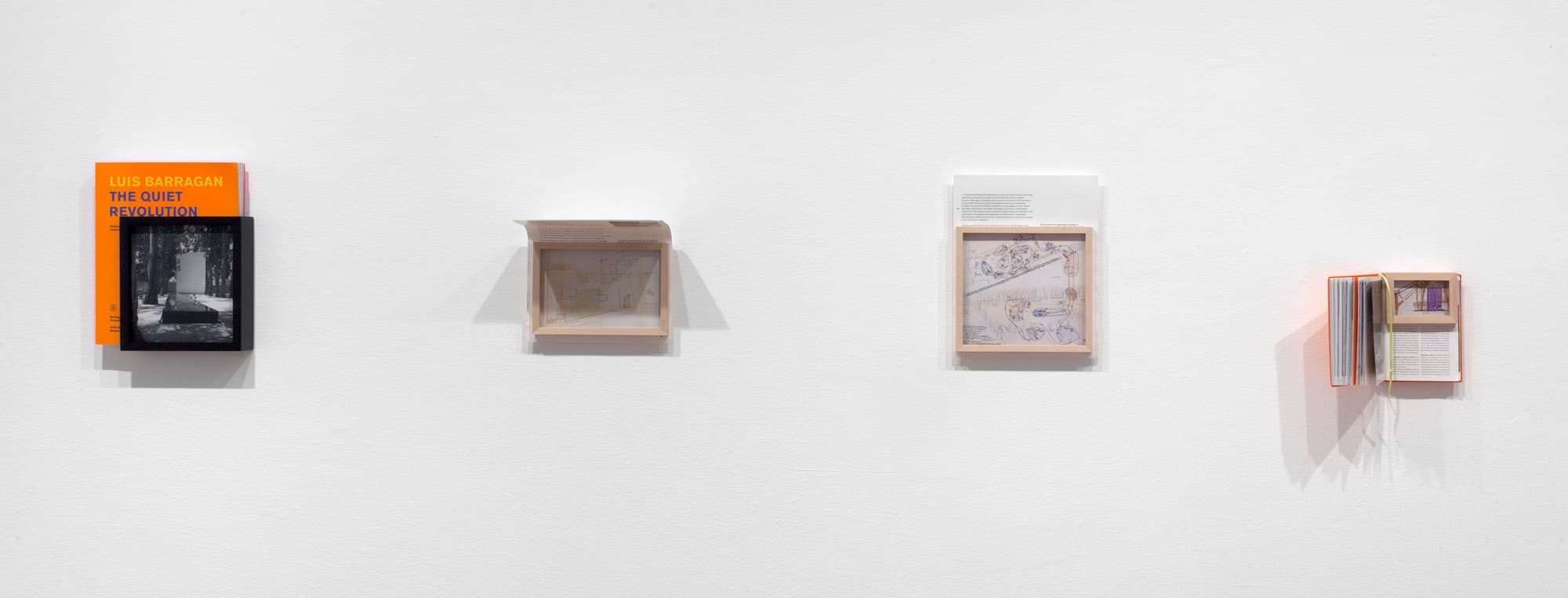
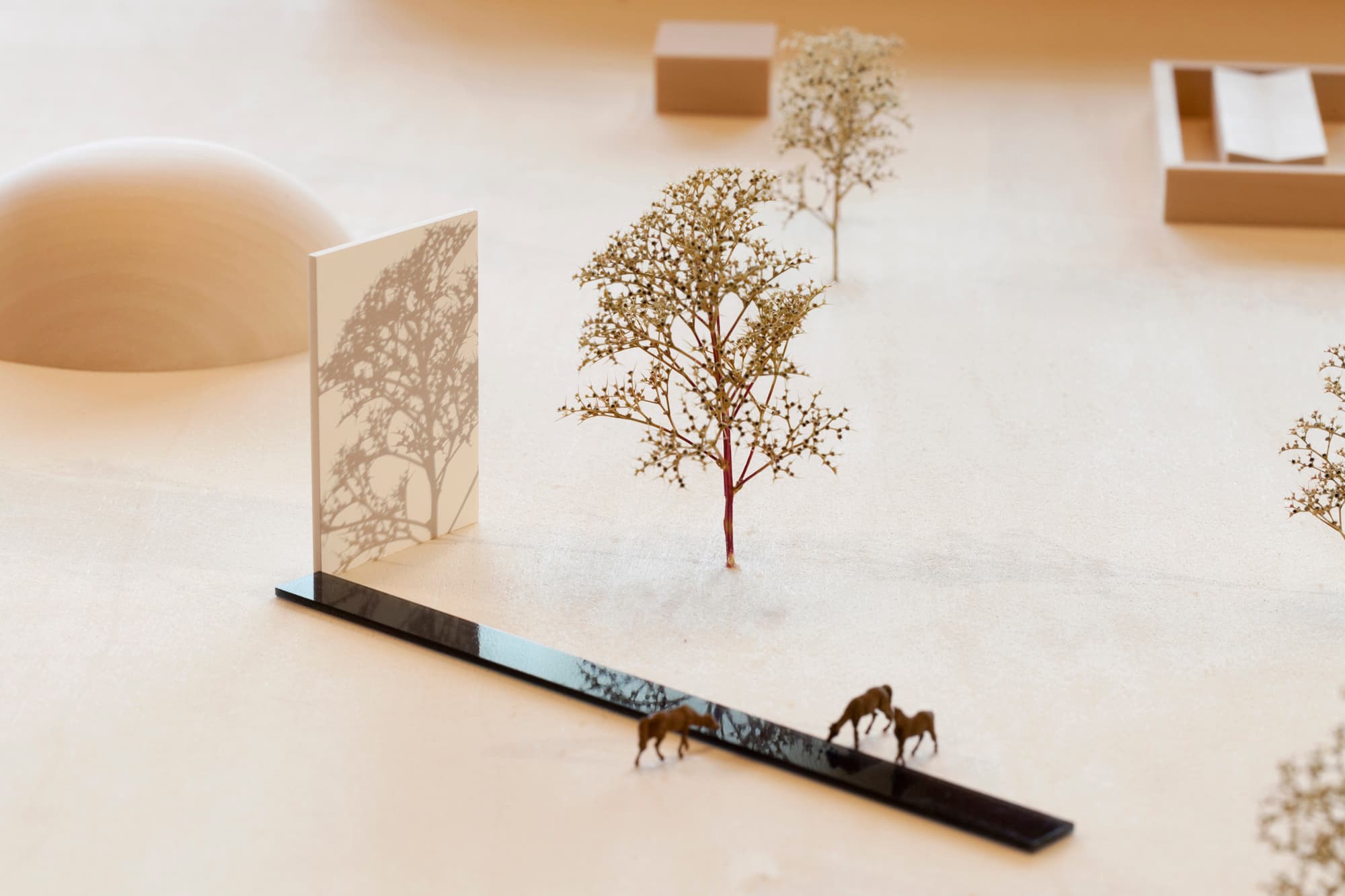
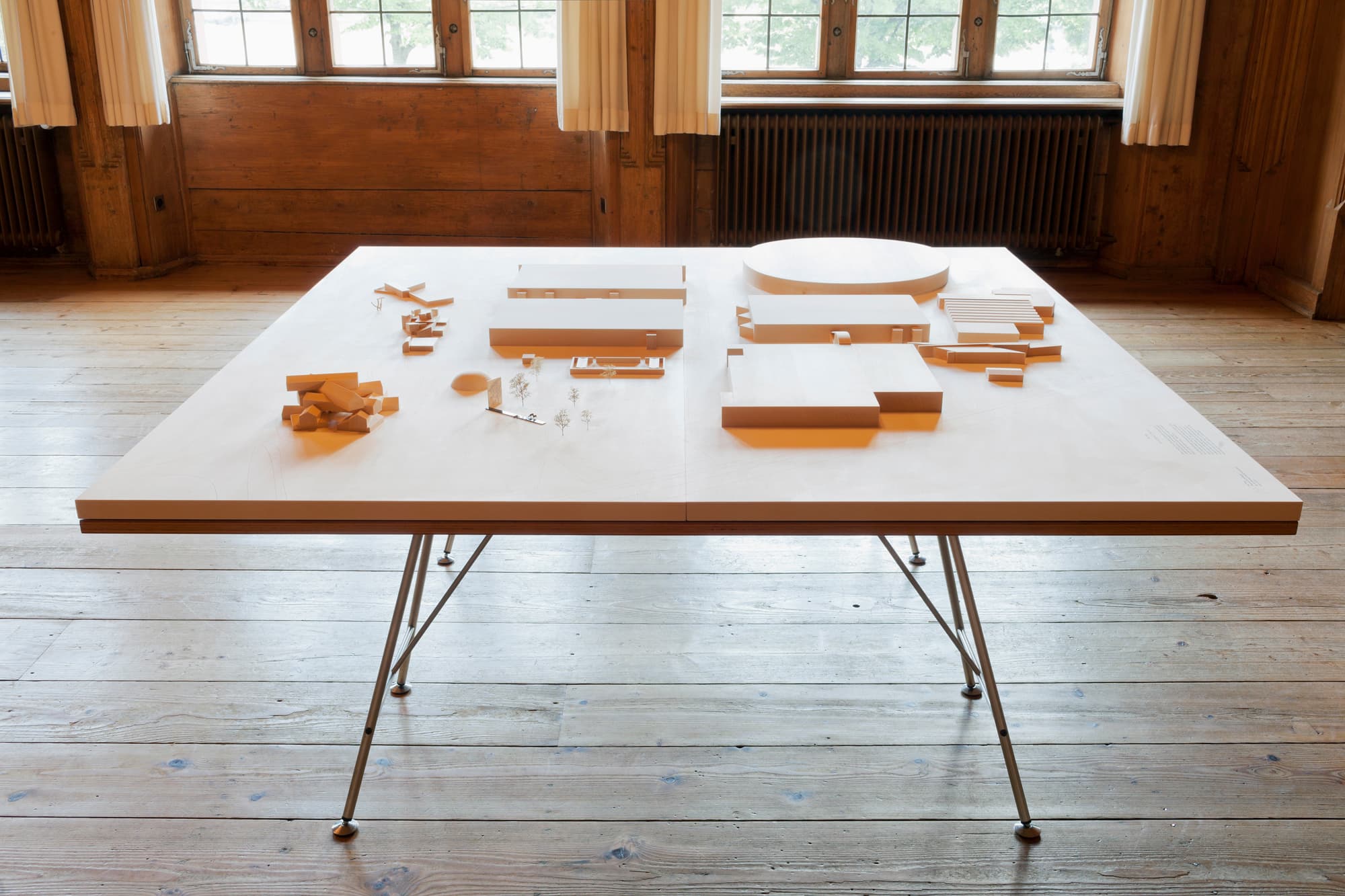
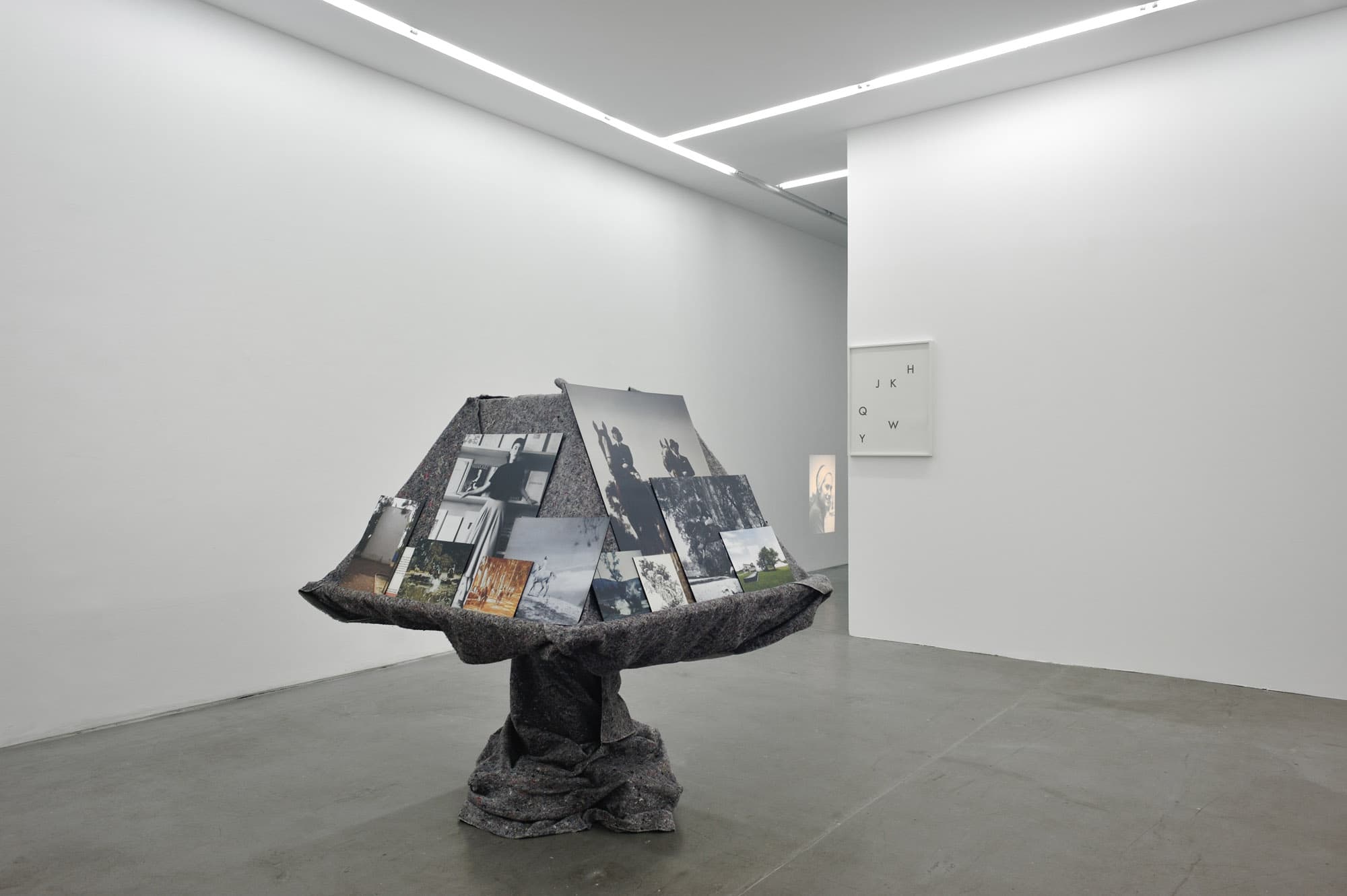
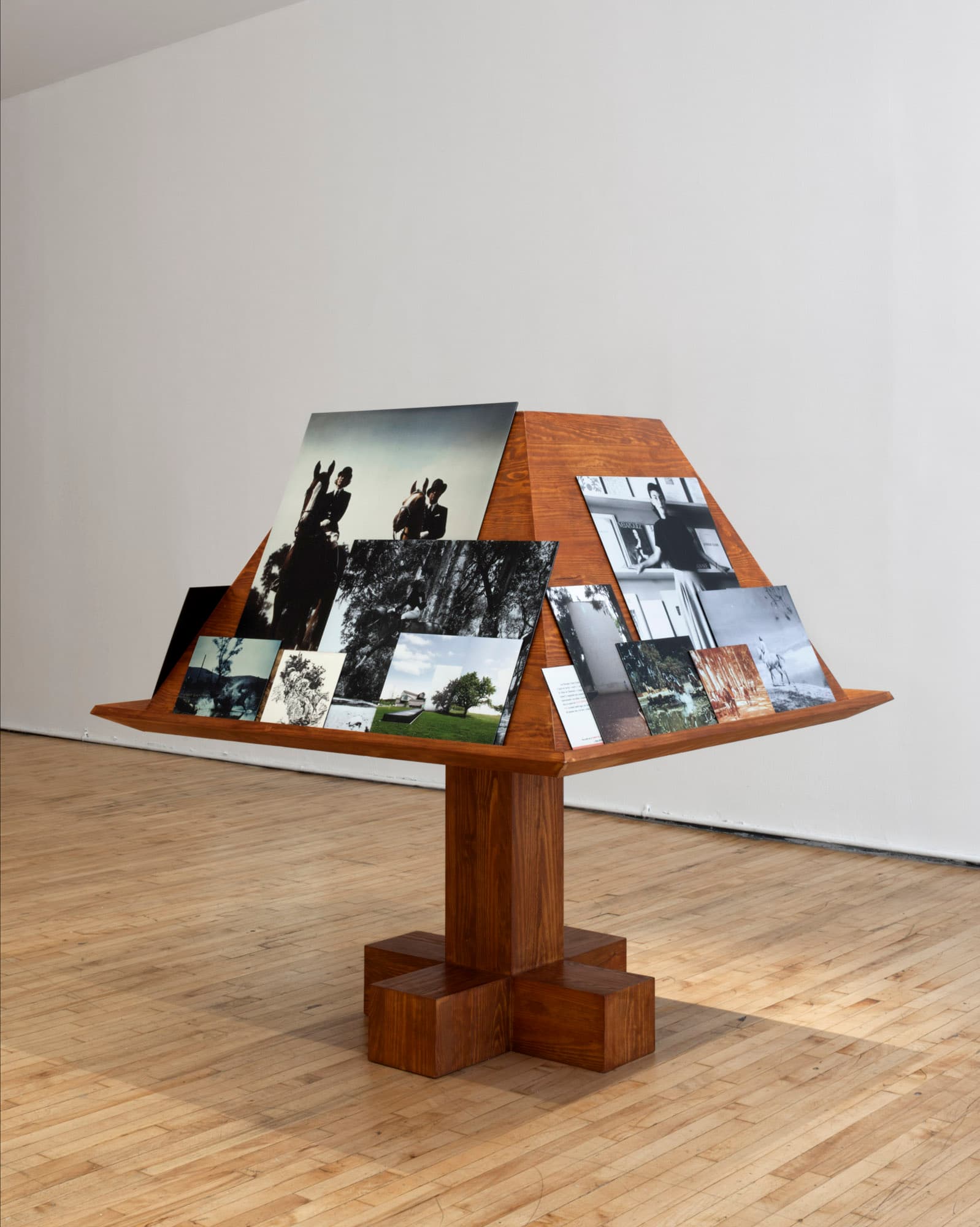
The Barragán Archives is an extended, multimedia project examining the legacy of Mexican architect and Pritzker Prize-winner Luis Barragán (1902–1988). Magid considers both Barragán's professional and personal archives, and how the intersections of his official and private selves reveal divergent and aligned interests, as well as those of the institutions that have become the archives' guardians.
Along with the vast majority of his architecture, Barragán's personal archive remains in Mexico while his professional archive, including the rights to the architect's name and work, were acquired in 1995 by Swiss furniture company Vitra, under the auspices of the newly founded Barragan Foundation. By developing long-term relationships with various personal, governmental, and corporate entities, Magid explores the intersection of the psychological with the judicial, national identity and repatriation, international property rights and copyright law, authorship and ownership.
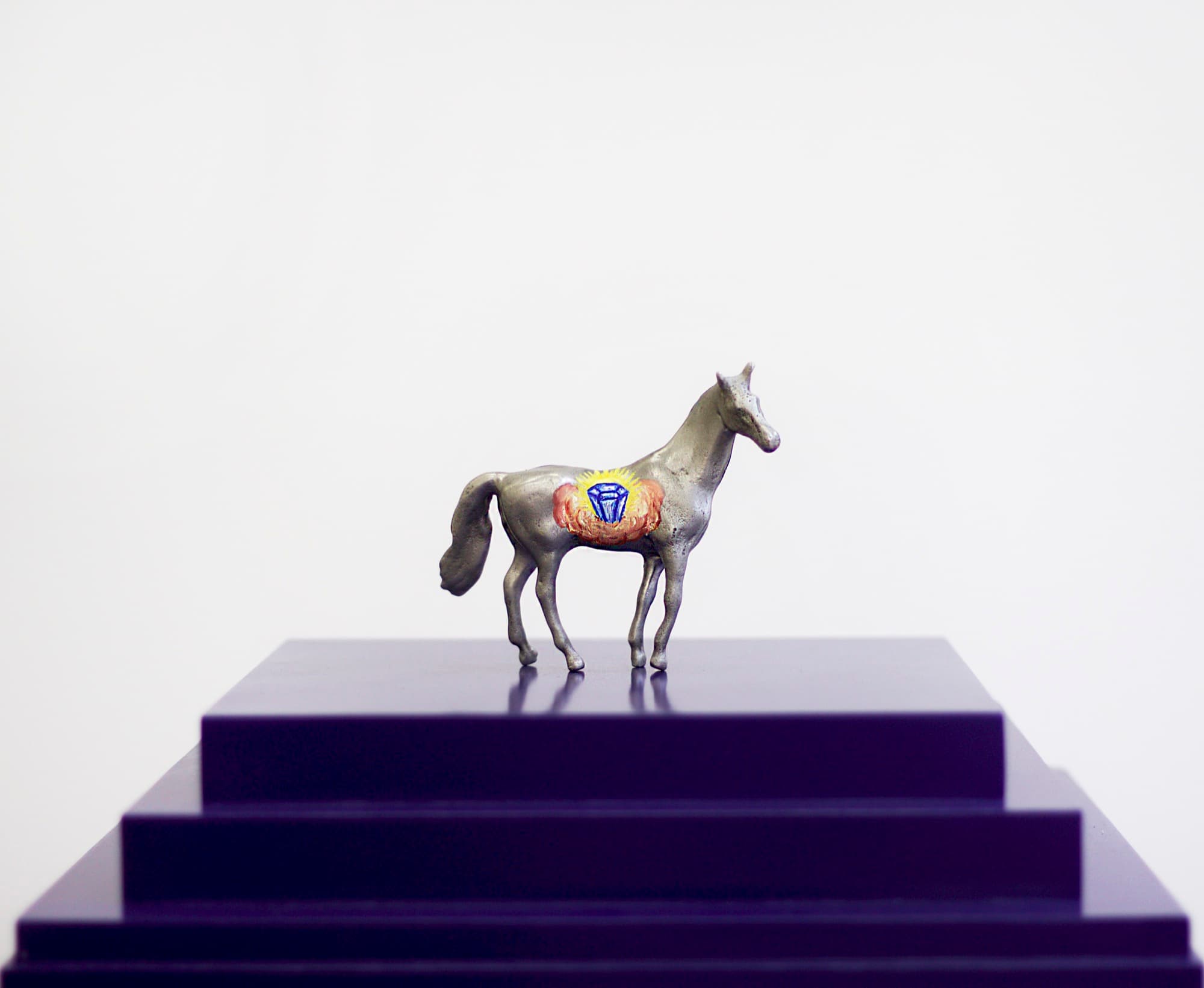
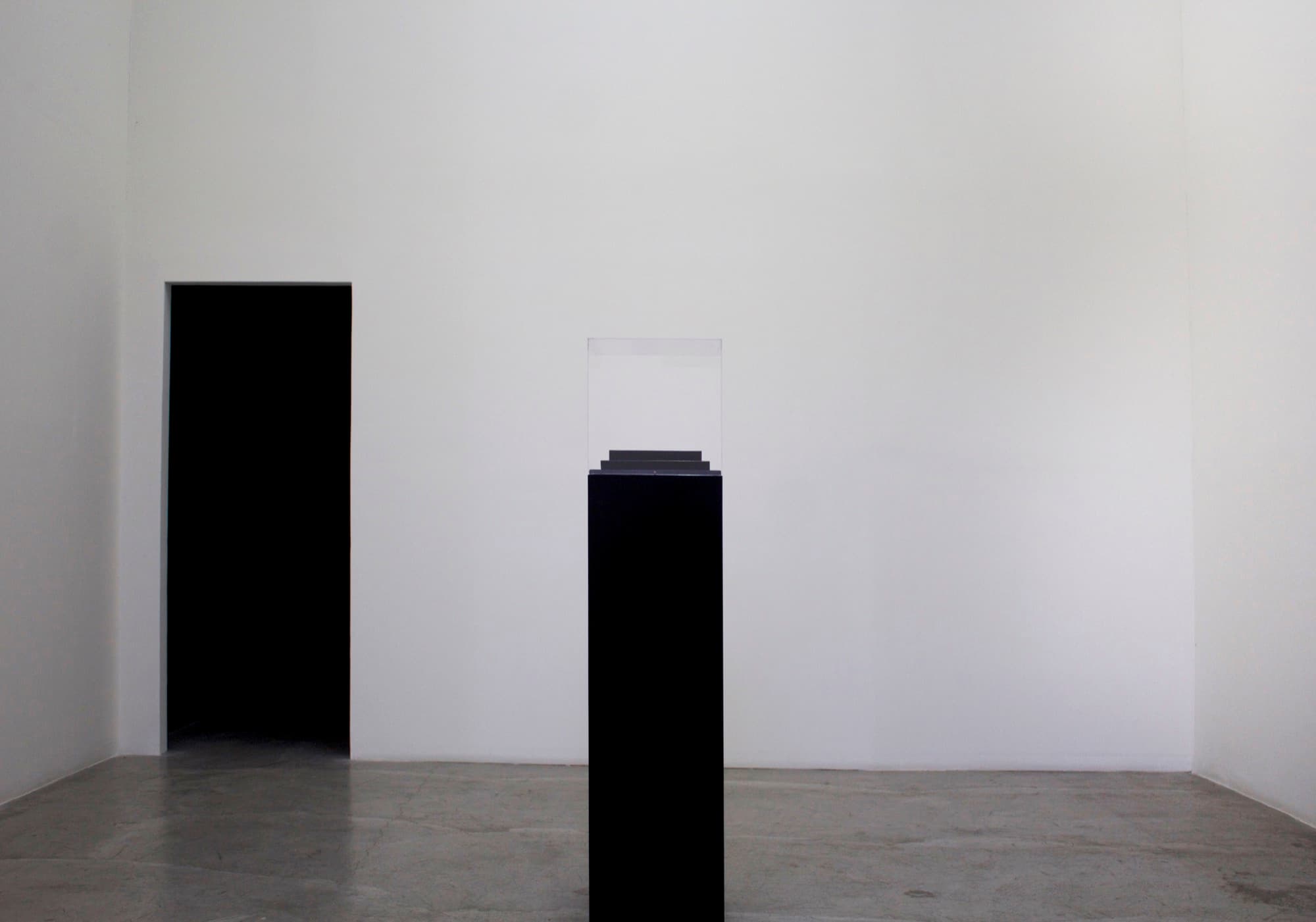
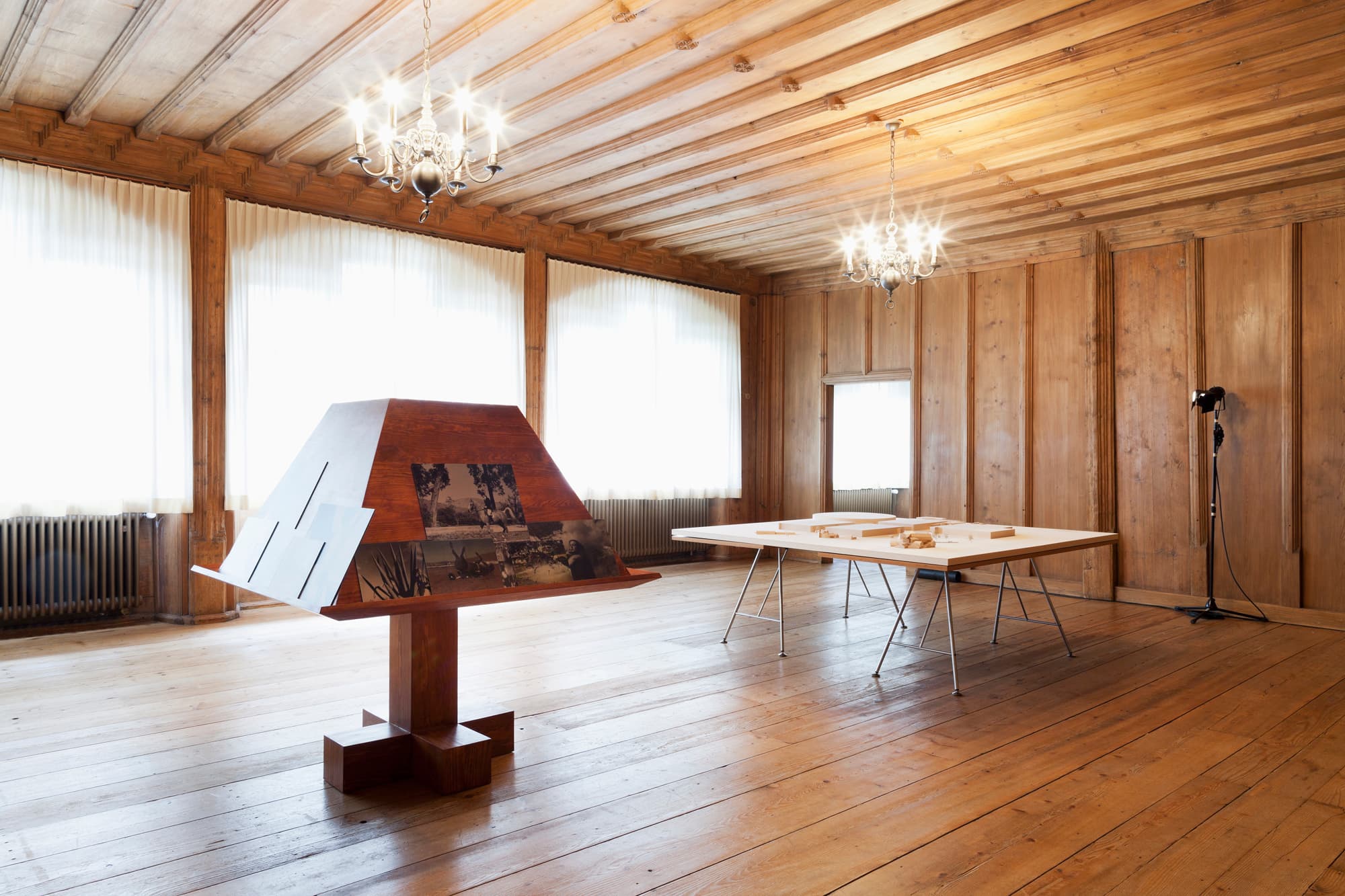
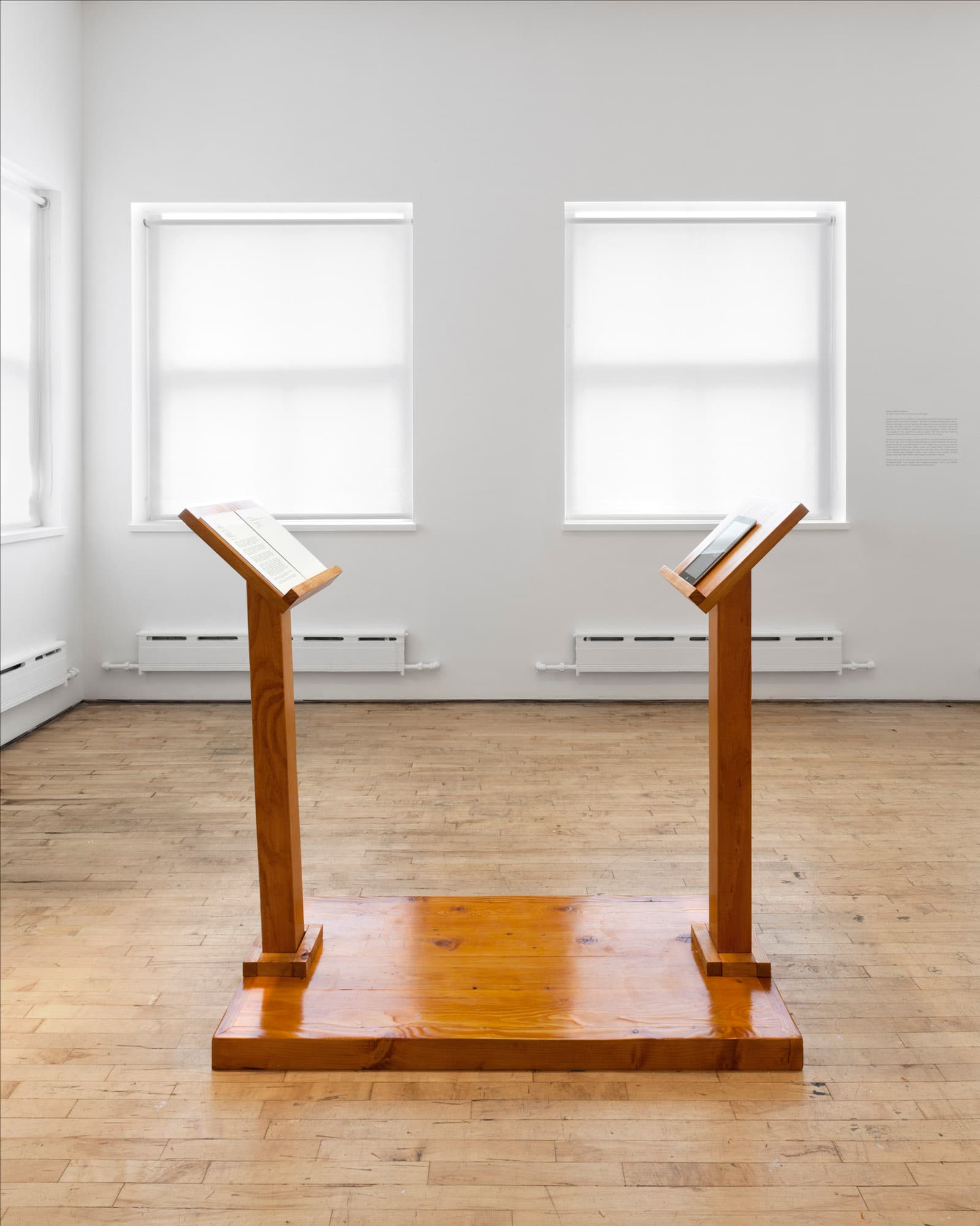
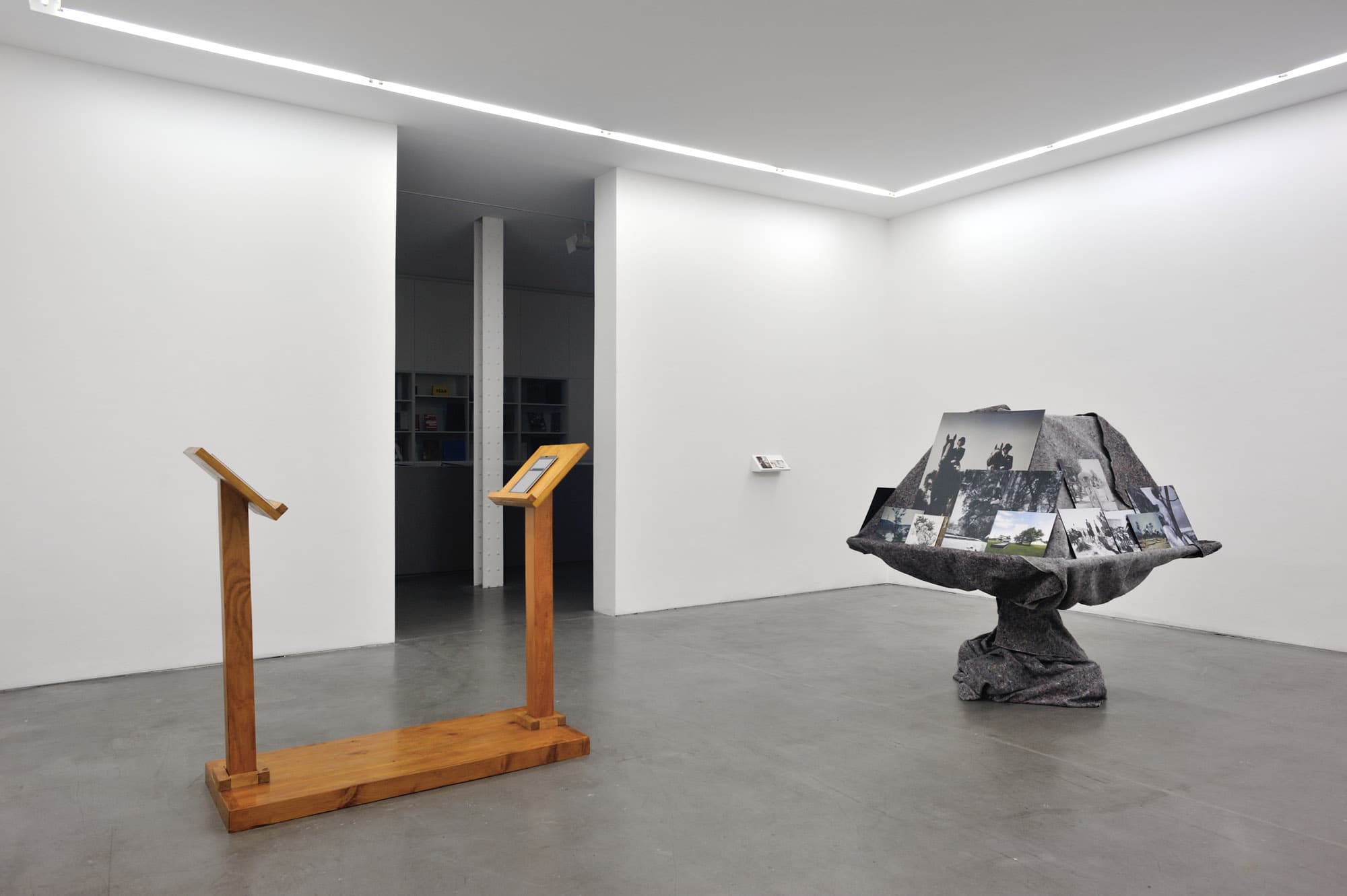
The project has resulted in a series of objects, installations and performances that unfolds in three chapters: Woman with Sombrero; The Proposal; and Ex-Voto. Exhibitions of the project exist as opportunities to push the narrative forward, and reflect —within the work— the legal parameters of the country in which they are shown.
The Barragán Archives project has been shown at Art In General (New York), Art Basel Parcours, Kunst Halle Sankt Gallen, LABOR (Mexico City), Museo MAZ (Guadalajara), MUAC (Mexico City), San Francisco Art Institute, Yvon Lambert (Paris). The body of work comprising Woman With Sombrero has been acquired by the permanent collection of Centre Pompidou (Paris).
Woman With Sombrero
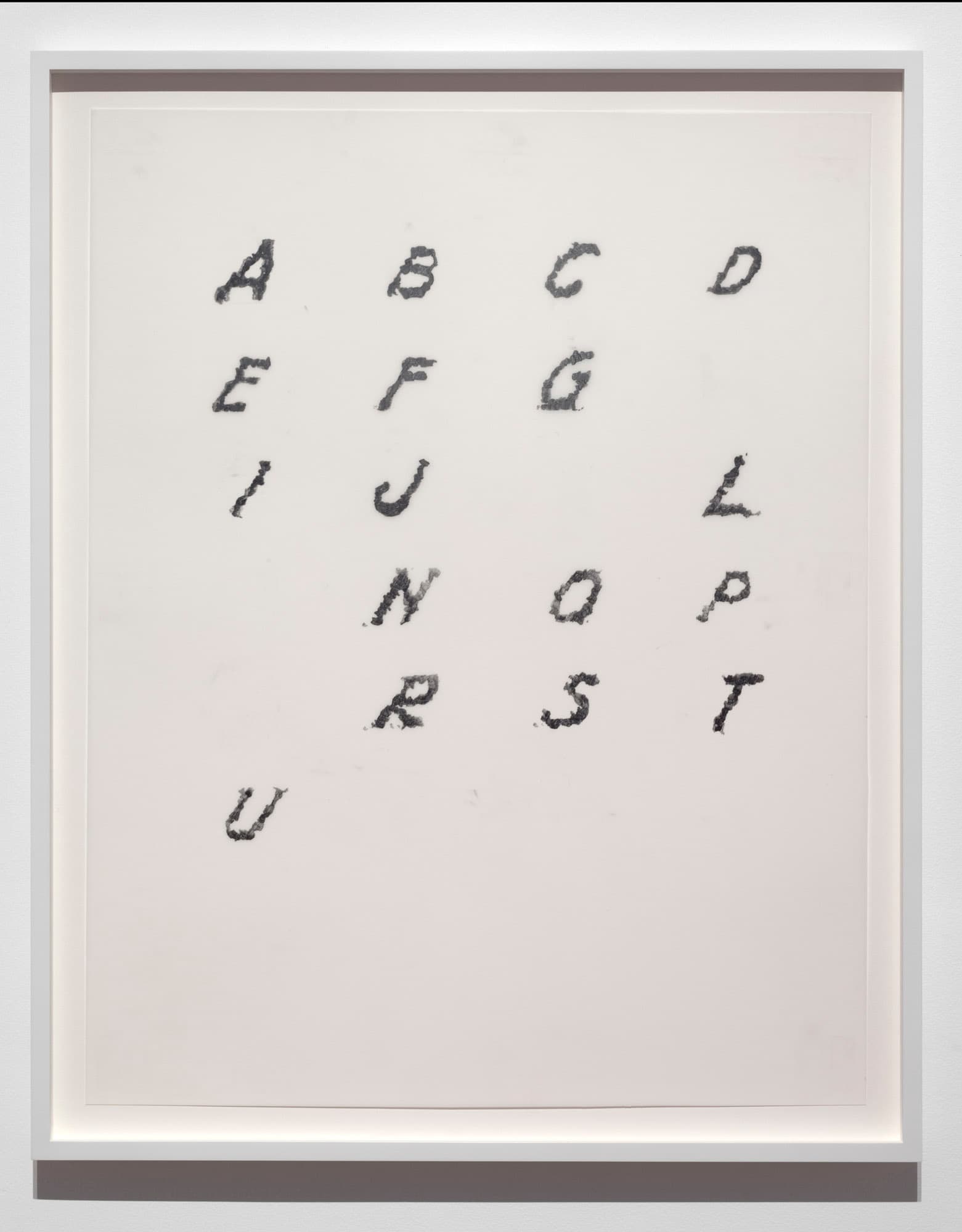
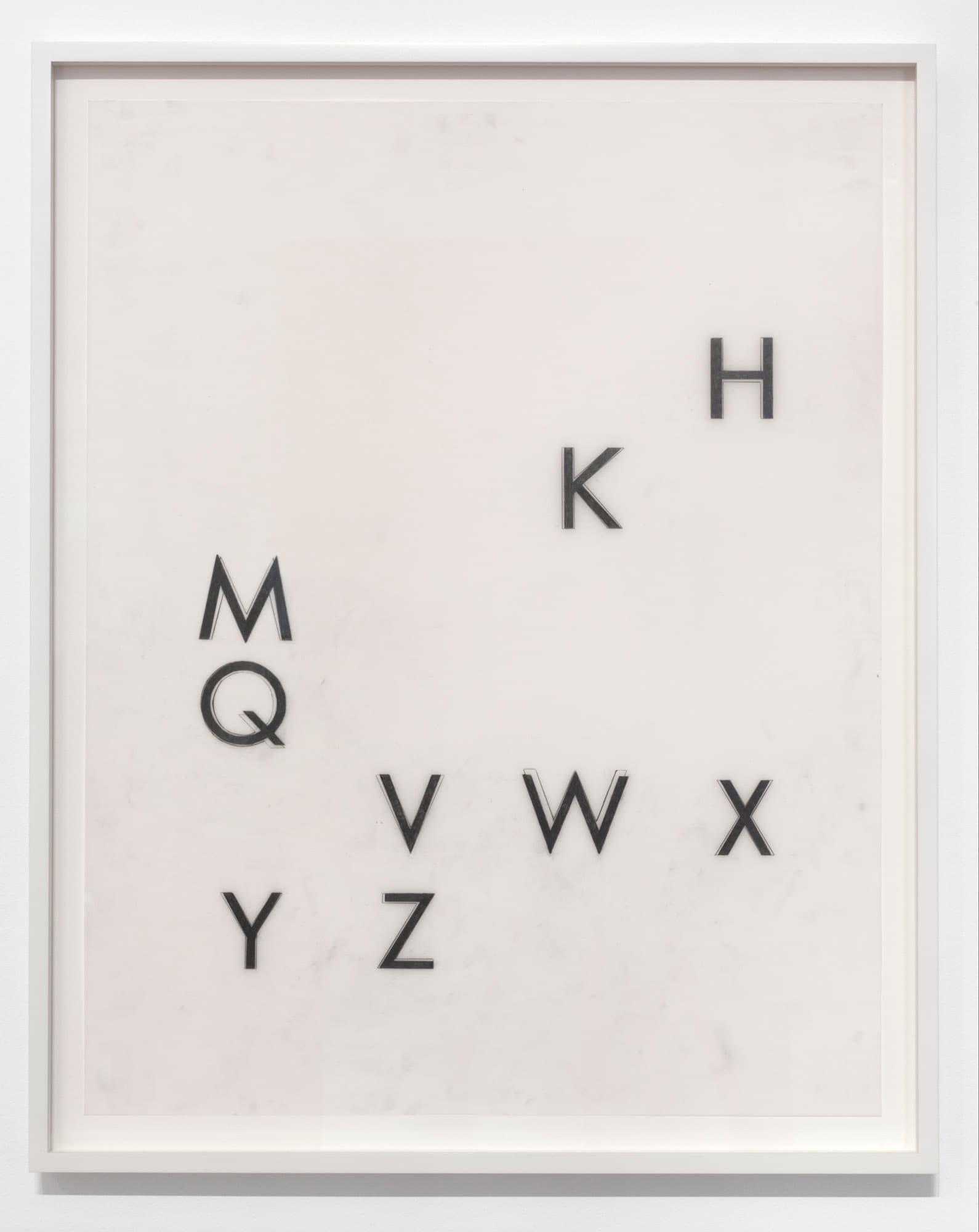
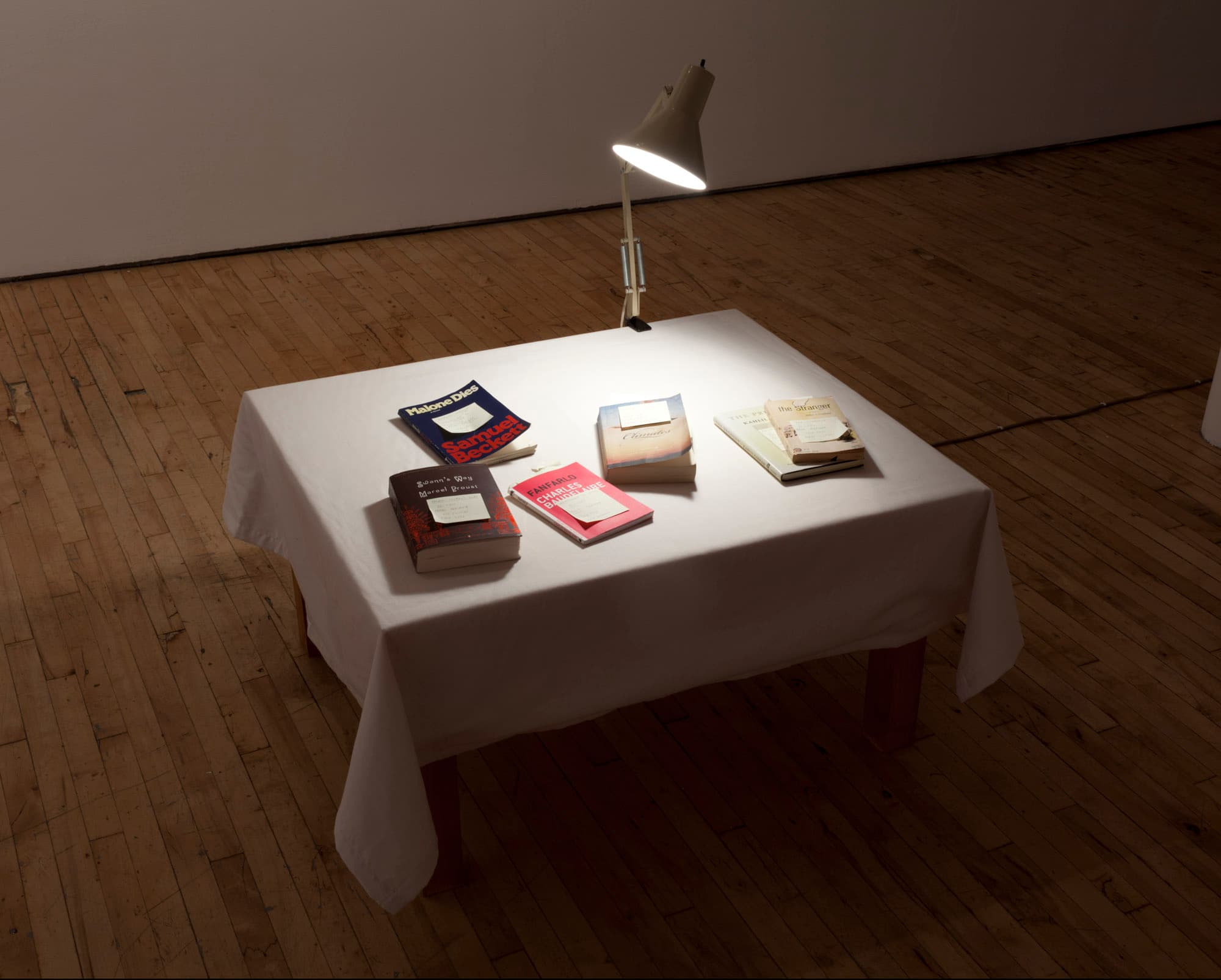
Chapter 1: Magid enters Barragán's archive by proxy — reproducing his alphabet, filming his landscapes, and staging the correspondence that would define the project.
The Proposal
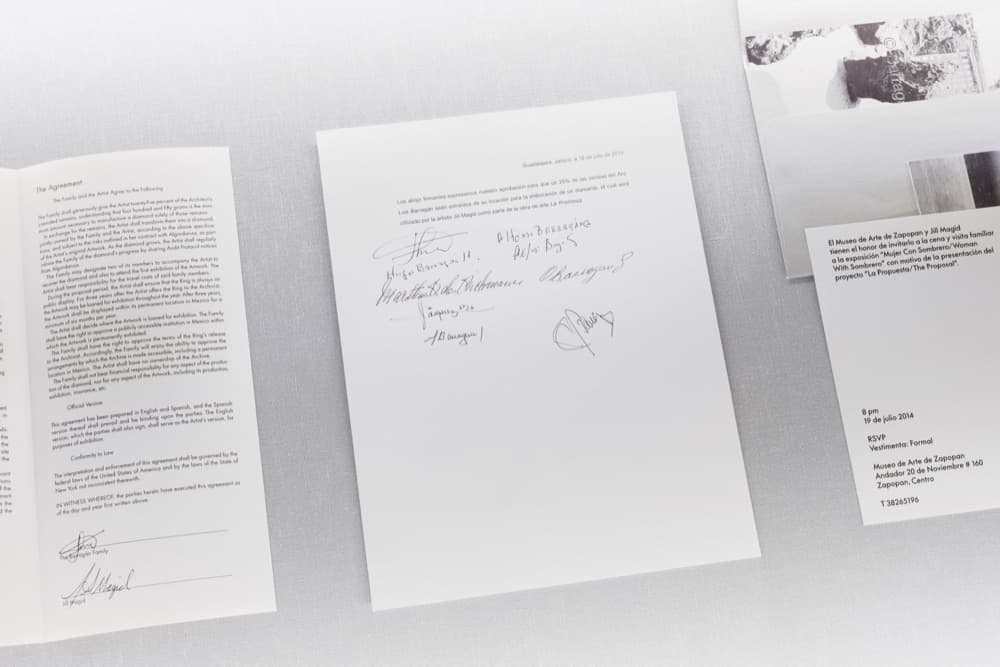
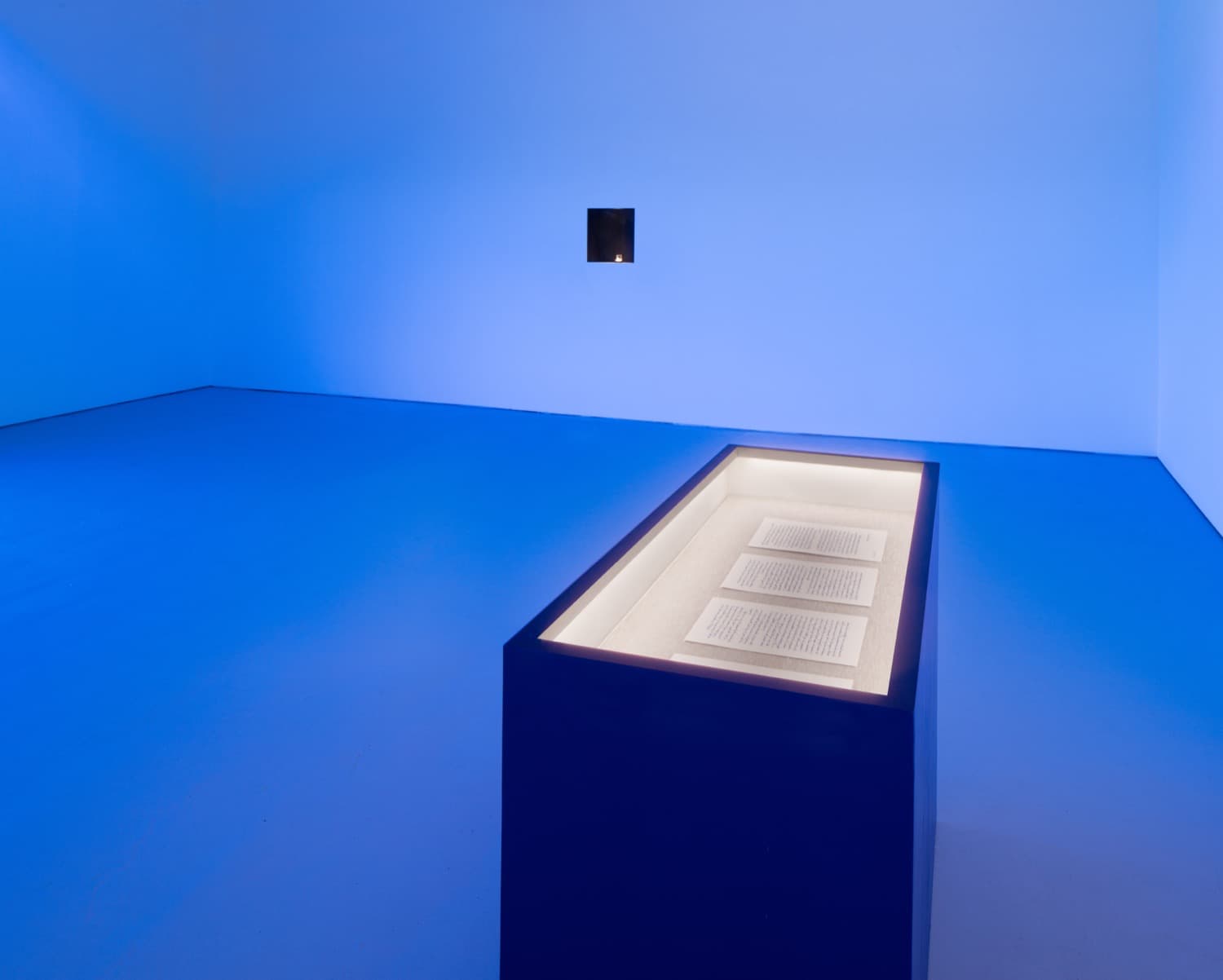
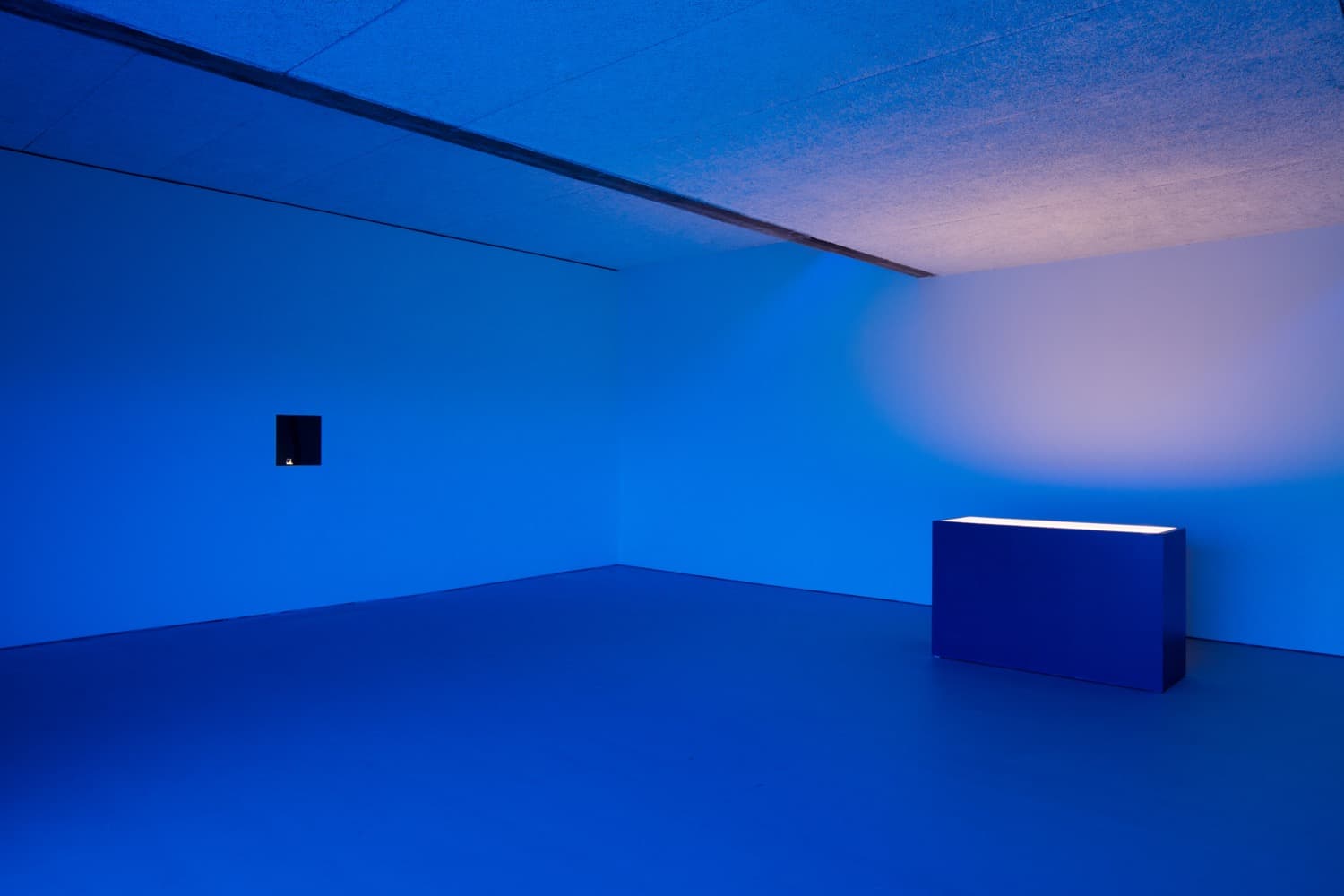
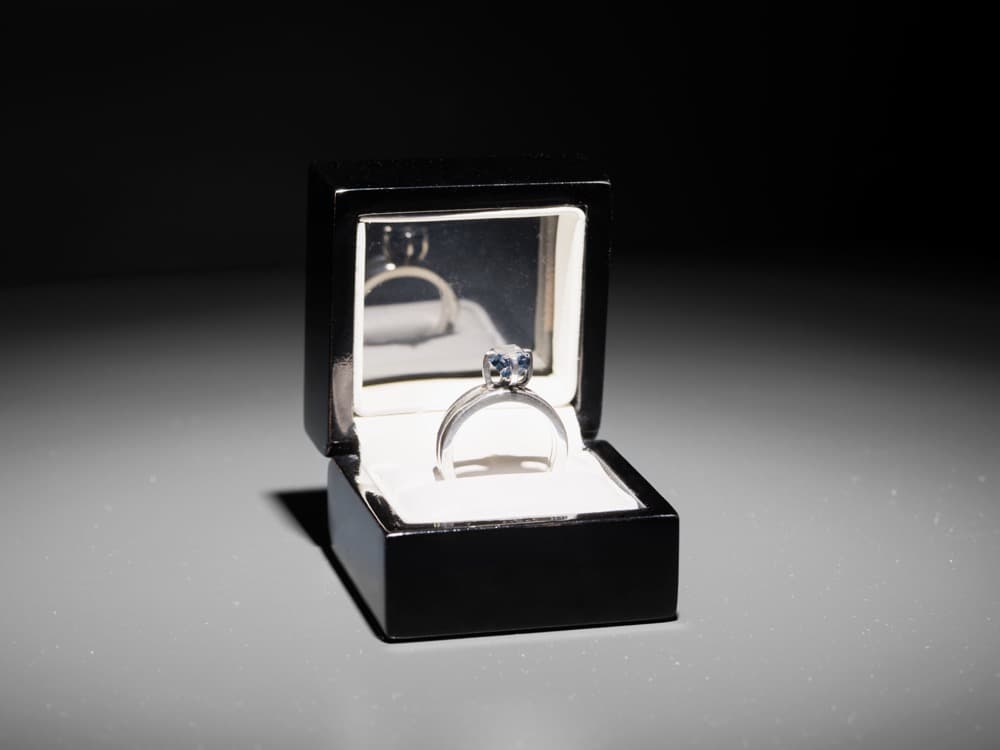
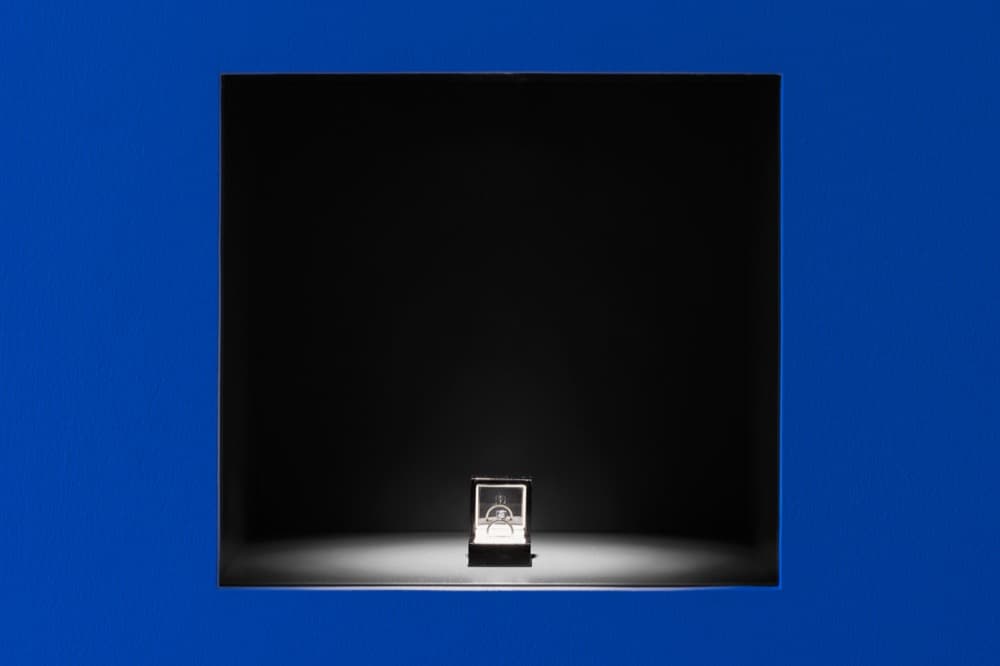
Chapter 2: Magid has the architect's cremated remains pressed into a diamond and offers it — set in a ring — to Federica Zanco, the archive's owner, in exchange for its return to Mexico.
Ex-Voto
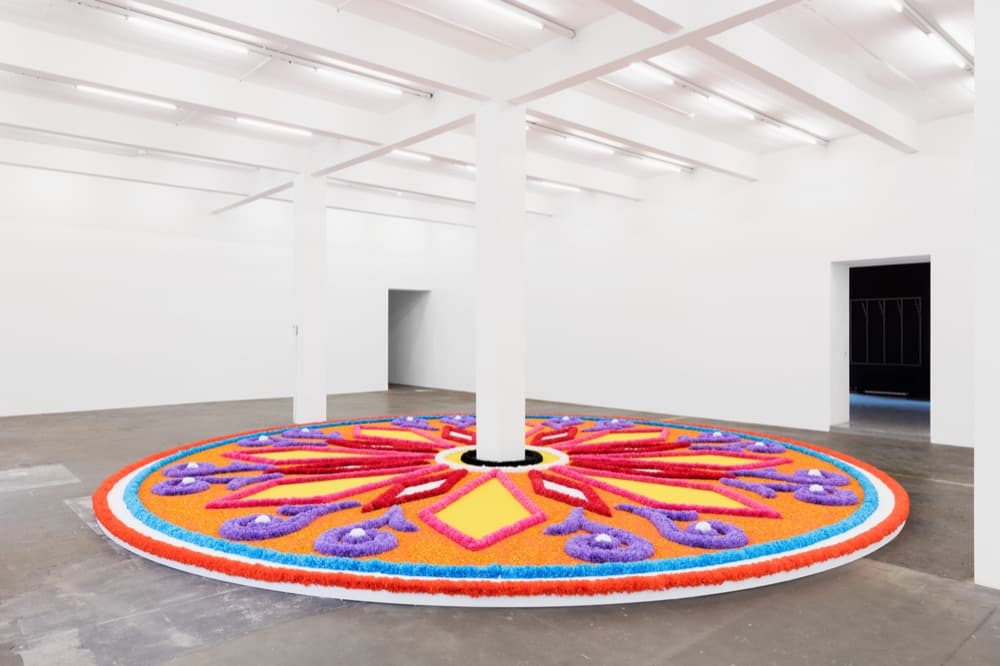
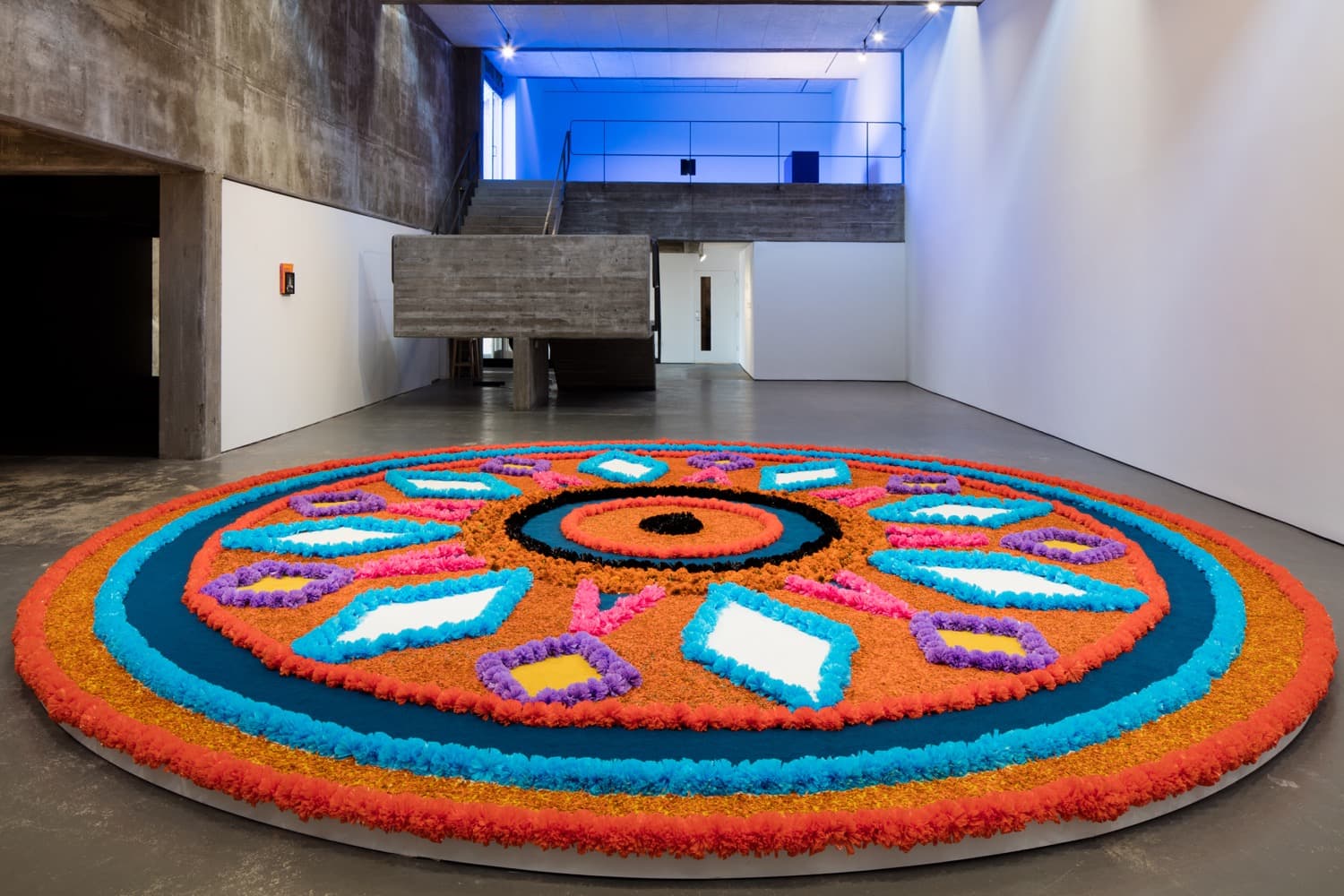
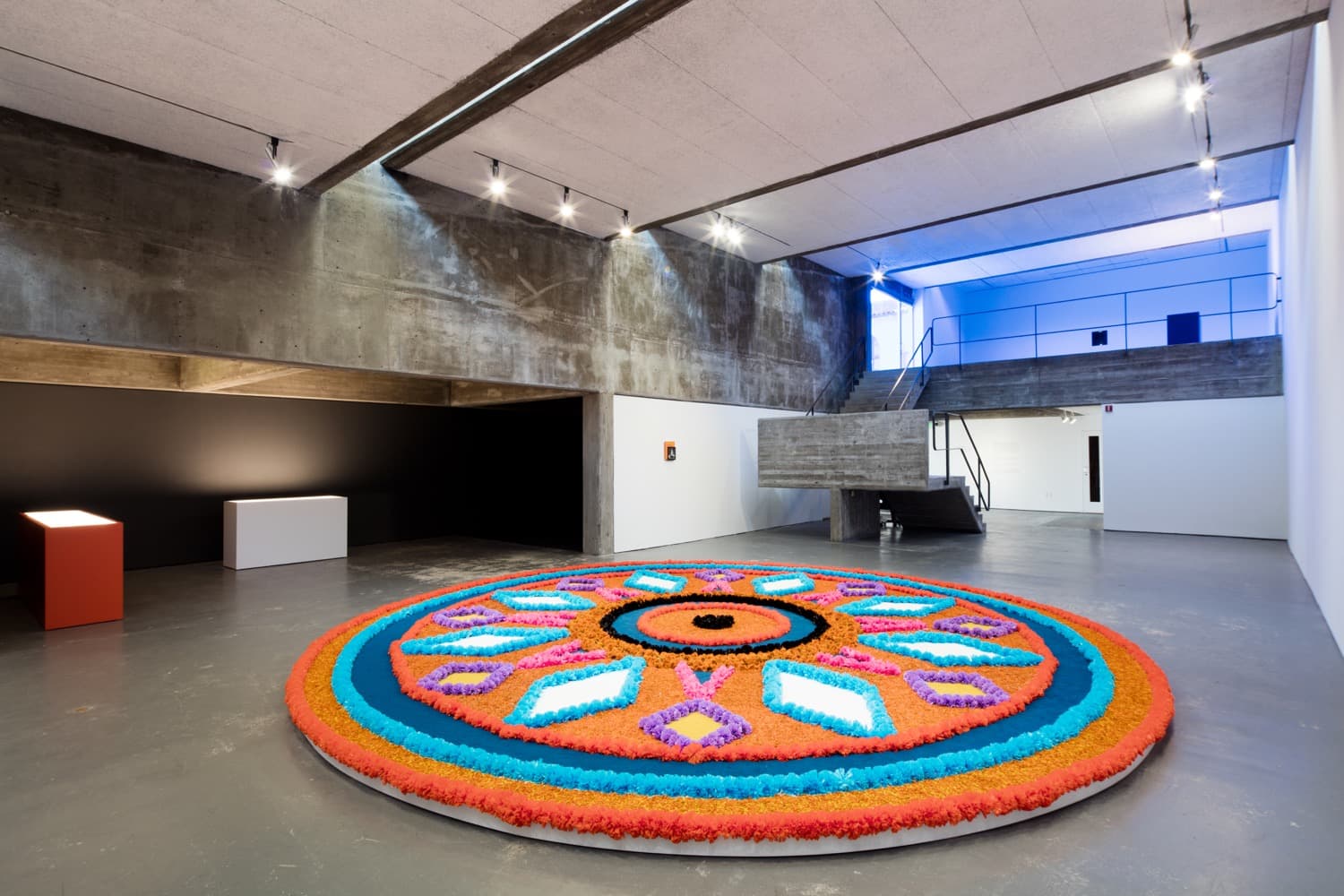
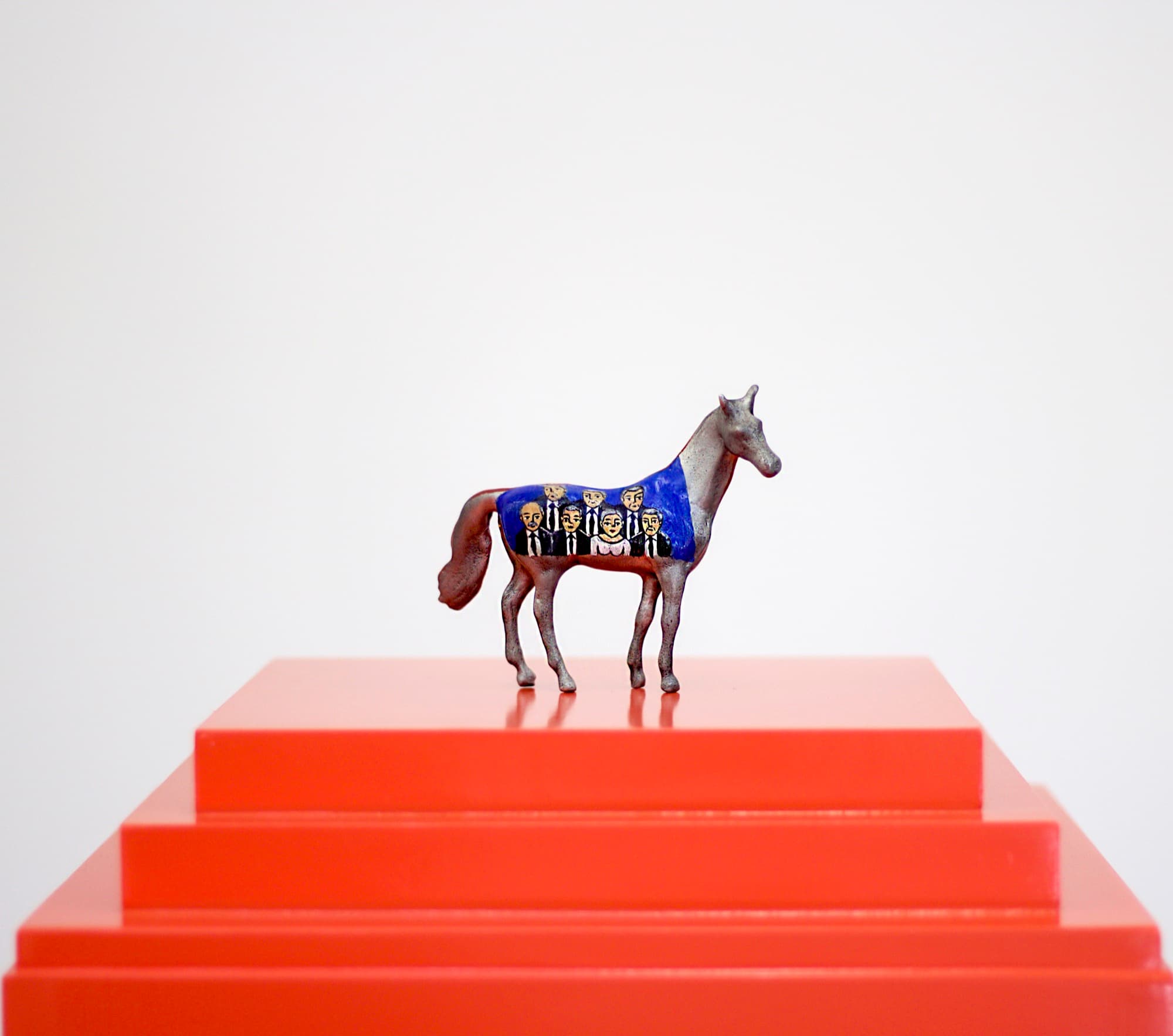
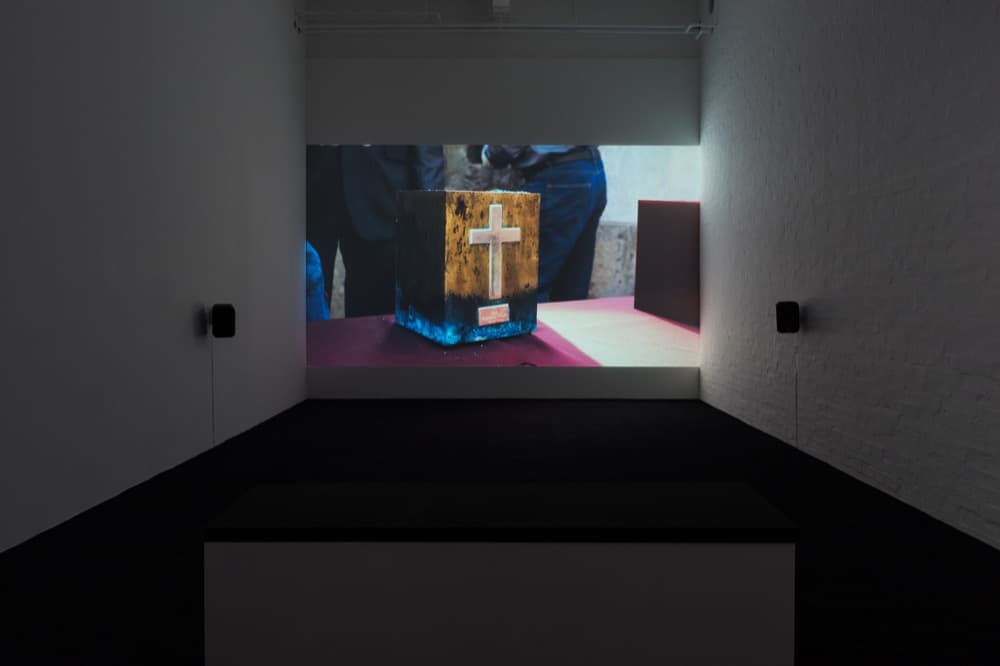
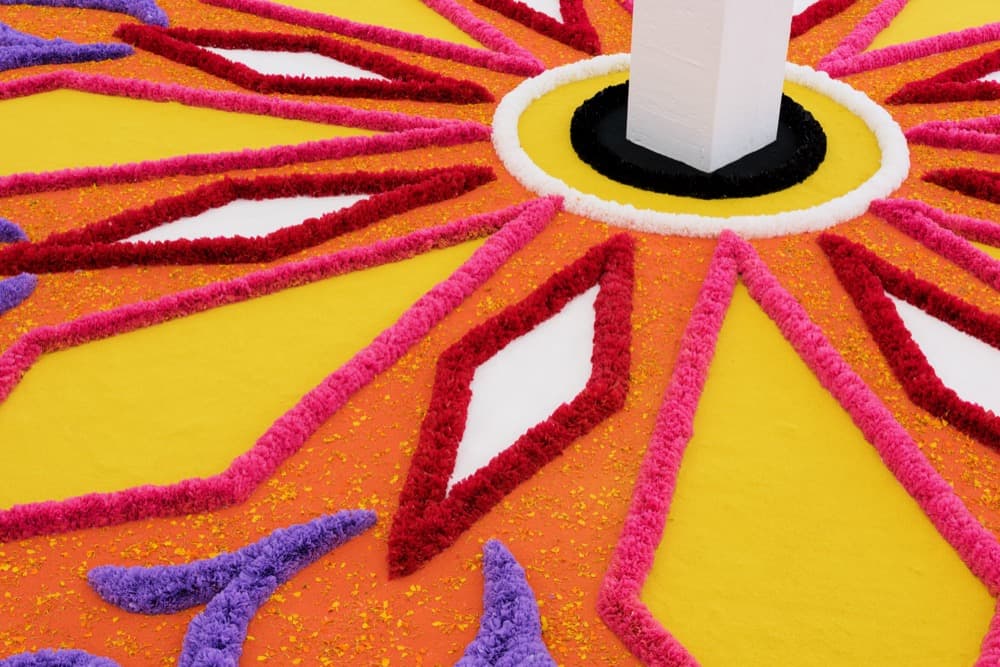
Chapter 3: The devotional coda: retablo tin paintings, a floral offering, and the filmed exhumation frame the project as an act of faith and negotiation.