About

Jill Magid (b. 1973) is an artist, writer, and filmmaker based in New York. Across sculpture, installation, performance, text, and moving image, Magid interrogates structures of power on an intimate level, often forming long-term relationships with governmental and corporate systems—among them police departments, intelligence agencies, surveillance networks, and restricted archives—following their rules of engagement to the letter. Her work explores the emotional, philosophical, and legal tensions that exist between institutions and individual agency, often taking the form of a love story between artist and bureaucracy.
Magid received a BFA from Cornell University and an MS in Visual Studies from the Massachusetts Institute of Technology. She is the recipient of numerous awards, including a Guggenheim Fellowship (2021), Via Art Fund Grant (2021), Creative Time Artist Commission (2020), Calder Prize (2017), and a Netherland-American Foundation Fulbright Grant (2001-2002).
Major solo exhibitions included those at the Tate Modern, London (2009); Whitney Museum of American Art, New York (2010); Kunsthalle Sankt Gallen, Switzerland (2016); Museo Universitario Arte Contemporáneo, Mexico City (2017); Dia Bridgehampton, New York (2020); The Renaissance Society, Chicago (2021); Modern Art Museum of Fort Worth (2022); Centre Pompidou, Paris (2022), and M Leuven, Belgium (2023), among others. She has participated in major group exhibitions internationally, including the Liverpool, Lyon, Bucharest, Singapore, Incheon, Gothenburg, and Performa Biennials, as well as Manifesta. Her first feature documentary, The Proposal, premiered at the 2018 Tribeca Film Festival.
Books
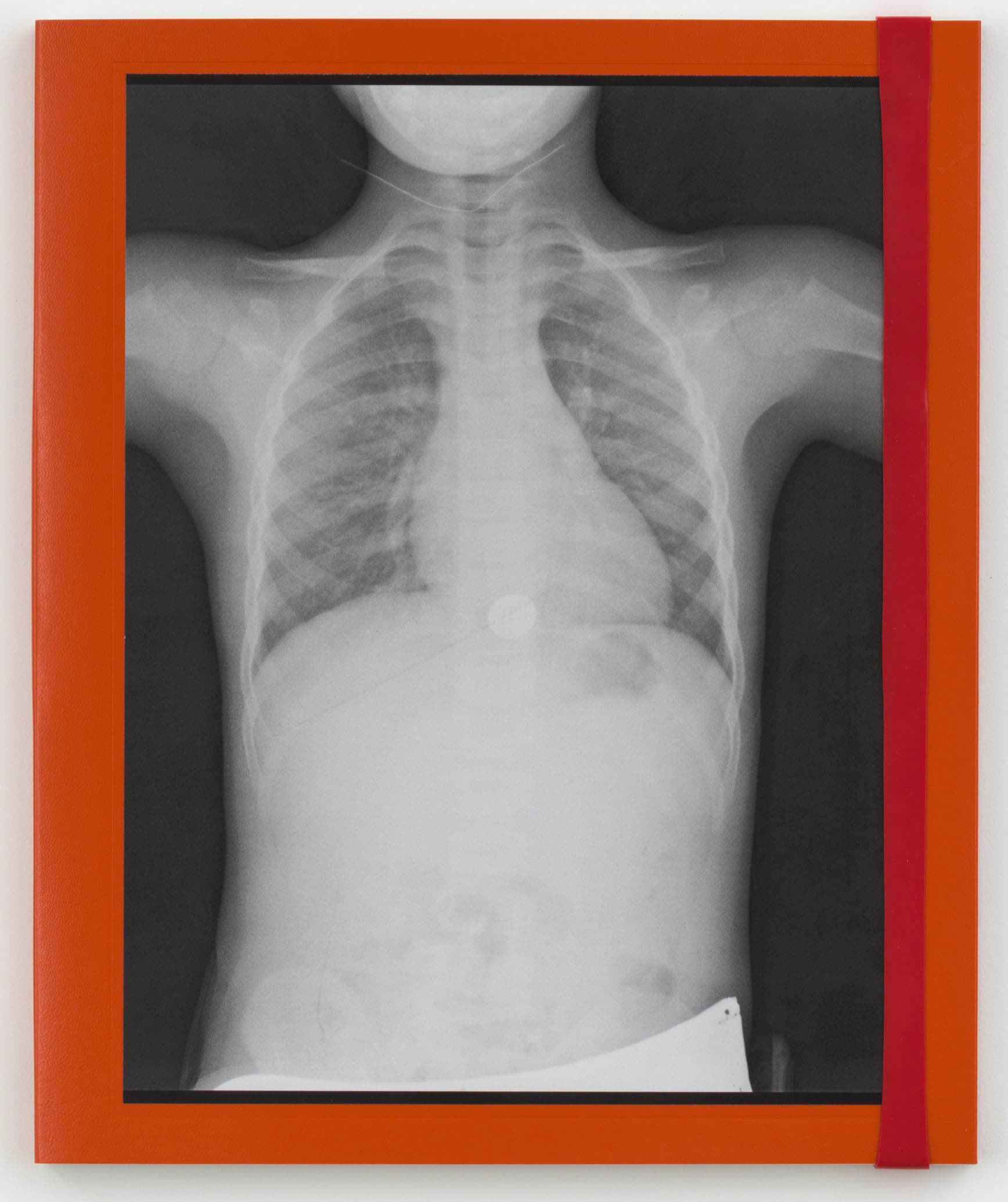
Tender · 2022
Jill Magid Edited by Karsten Lund Conceived as a story in multiple chapters, this book focuses on two parts of a larger project by artist Jill Magid in which she explores the circulation of pennies against the backdrop of the COVID-19 pandemic. Through Tender, a public artwork in New York City produced by Creative Time, and Tender: Balance, an exhibition at the Renaissance Society in Chicago, Magid both observes intimate financial and social transactions and delves into economic systems that are harder to see, intervening in the flows of currency in subtle, poetic ways. Along with visuals from these two parts of the project, the book offers insights into Magid’s extensive research process and three new essays that provide greater social and art historical context for her work. In their contribution, Claire Bishop and Nikki Columbus consider how Magid’s process makes wide-ranging connections to create a constellation of ideas. Jamilah King addresses the ongoing shift toward a cashless economy and who is left behind, and Aden Kumler explores histories of modifying currency. The book culminates in a conversation between the artist and curators Justine Ludwig and Karsten Lund, in which they reflect on the project’s conceptual touchstones and on events contemporary to the work. *A special edition of Jill Magid’s book Tender , produced in a limited run of 100, includes a single penny engraved with the phrase “THE BODY WAS ALREADY SO FRAGILE.”
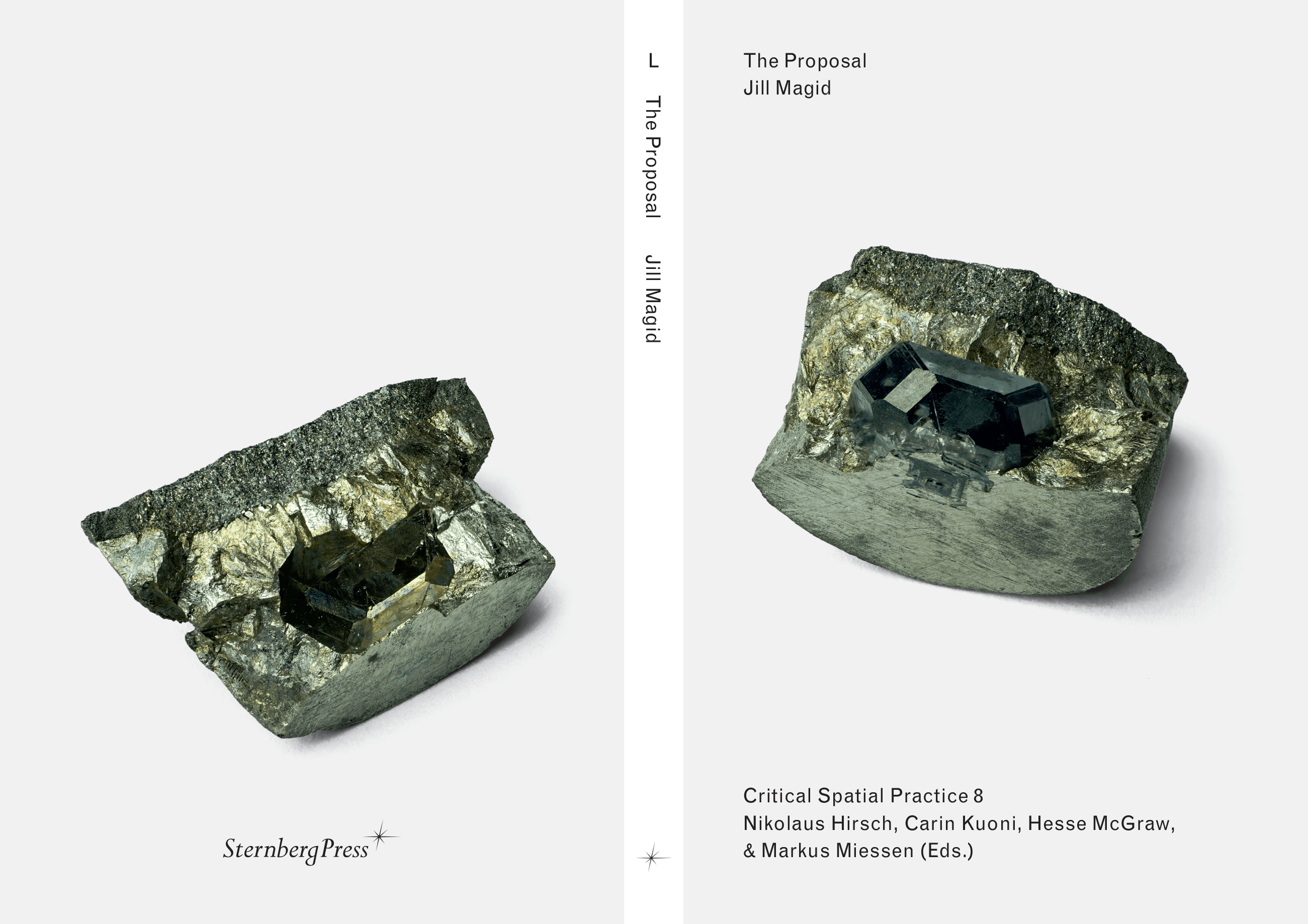
The Proposal · 2016
Edited by Nikolaus Hirsch, Carin Kuoni, Hesse McGraw, Markus Miessen Contributions by Leonardo Díaz Borioli, Nikolaus Hirsch, David Kim, Cuauhtémoc Medina, Daniel McClean, Hesse McGraw, Elizabeth A. Povinelli, Ines Weizman The eighth volume of the Critical Spatial Practice series focuses on Jill Magid’s “The Barragán Archives,” a multiyear project that examines the legacy of Pritzker Prize–winning architect Luis Barragán (1902–1988), and questions forms of power, public access, and copyright that construct artistic legacy. The archive of Barragán was split in two after his death—the personal archive is kept in his home in Mexico, which is now a museum and UNESCO World Heritage Site; while his professional archive was purchased in 1995 by Rolf Fehlbaum, chairman of the Swiss furniture company Vitra, from a New York gallerist. It is said that Fehlbaum bought it as a gift for his then fiancée, Federica Zanco. She is the director of the Barragan Foundation, which also holds rights to Barragán’s name. For the past twenty years the archive, housed below the Vitra headquarters, has been inaccessible to the public. With The Proposal Magid attempts to bring together Barragán’s professional and personal archives by probing the architect’s official and private selves, and the interests of various individuals and governmental and corporate entities who have become the archives’ guardians. Magid, with permission of the Barragán family, commissioned a small amount of Barragán’s cremated remains to be transformed into a diamond. The stone, set in a gold ring, was offered to Zanco in exchange for the return of the professional archive to Mexico. Magid’s artwork directly engages the intersections of the psychological and the judicial, national identity and repatriation, international property rights and copyright law, authorship and ownership, the human body and the body of work. Available at RAM Publications: October 2016, Vol. 8, Softcover 4 x 6 in., 180 pp, Extensive color ISBN 978-3-95679-188-8 $22.00 Available at Sternberg Press: September 2016, English, Softcover with dust jacket 10.5 x 15 cm, 202 pages, 17 b/w and 9 color ill. ISBN 978-3-95679-188-8 €15.00
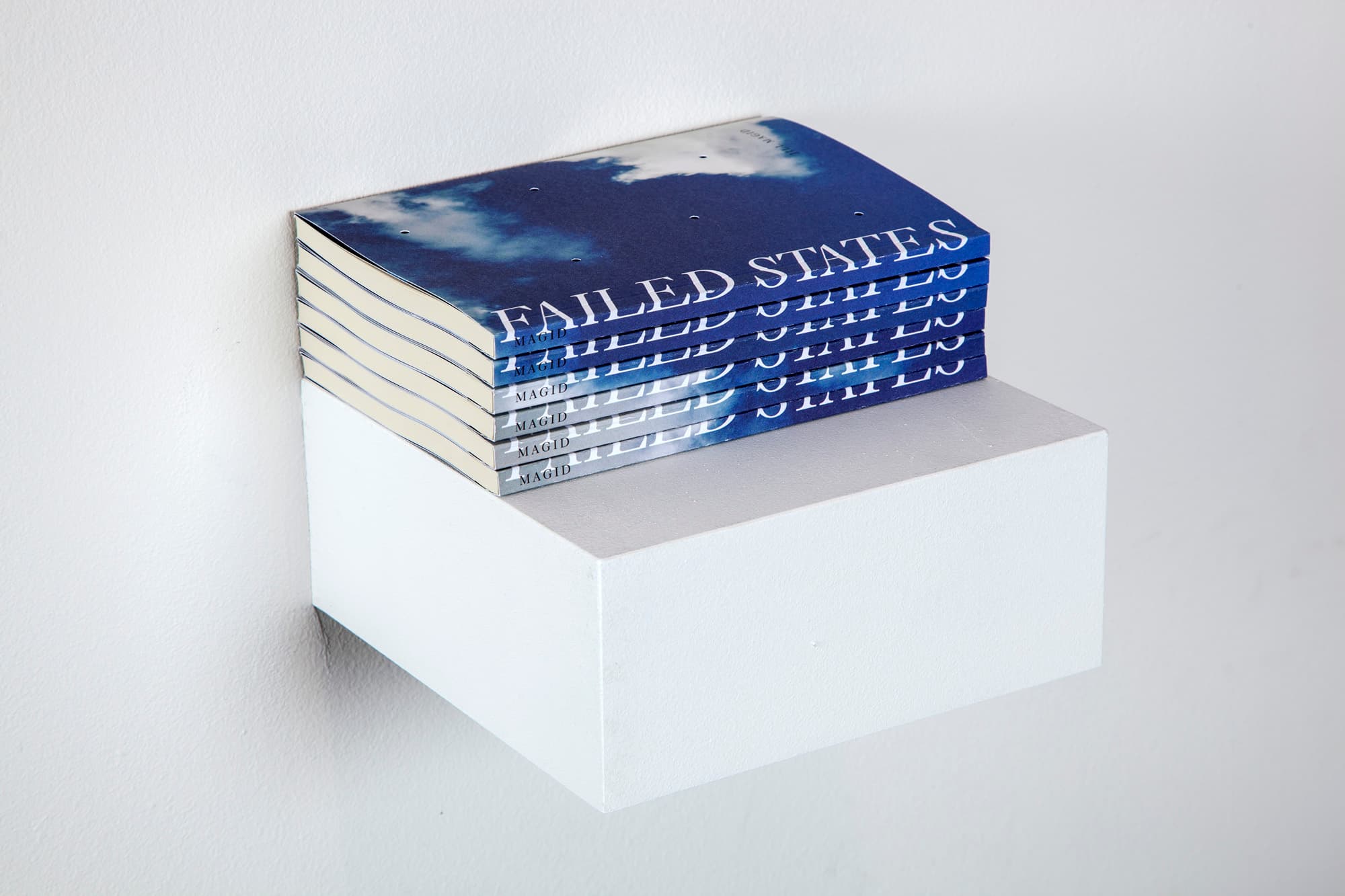
Failed States · 2012
To order a copy contact Publication Studios . Artforum 500 Words on Failed States . Failed States is an exploration of coincidence and poetics amid the barriers and bureaucracy of governmental power. While on a trip to research the history of snipers in Austin, Texas, artist Jill Magid witnesses a mysterious shooting on the steps of the State Capitol. Twenty-four year old Fausto Cardenas fires several rounds in the air before being arrested. The event becomes the background against which Magid, under the guidance of CT —editor at the Texas Observer and former embedded war correspondent for AP — starts her training to become an embedded journalist with the U.S. military in Afghanistan. Magid's non-fiction novel Failed States approaches the themes of transparency, secrecy and publicity through her personal desire to engage the war on terror and its media representation through becoming an eyewitness. Excerpts from Failed States have been published by: The Texas Observer, Feb issue 2012. Download pdf or go to link ; Modern Painters, Summer 2011. Download pdf; and OPEN magazine, Issue 22 , Netherlands Download pdf.
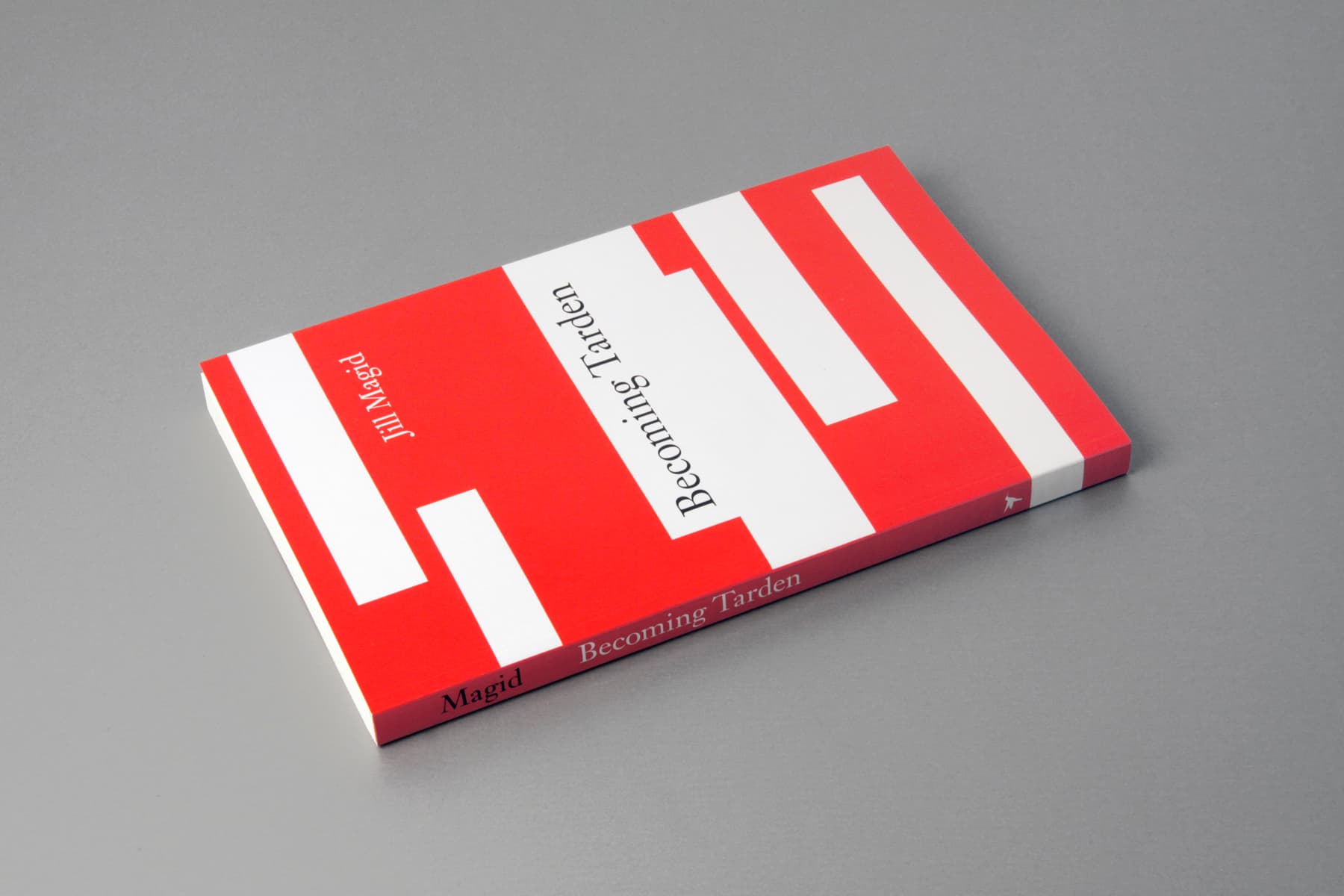
Becoming Tarden · 2010
Selected praise for Becoming Tarden: "The fairytale of the artist and the secret service just had to end badly". —The Wall Street Journal. An Artist Delves Into the Lives of Spies, The Wall Street Journal, Sept 19 2009 Jill Magid Manuscript Confiscated Following Tate Modern Exhibit, The Wall Street Journal, Jan 8 2010 In 2005, Jill Magid was commissioned by the Dutch secret service (AIVD) to create a work that would "reveal the human face" of the organization. During the next three years she met with 18 agents who volunteered to be interviewed, but remained anonymous even to her. The project resulted in a variety of forms, among them her non-fiction novel, Becoming Tarden. Forty percent of the manuscript was censored by the AIVD in 2008. After legal negotiations with the organization, Magid agreed to let it seize the uncensored body of the book after being exposed—under glass and out of reach—from her solo exhibition 'Authority to Remove' at the Tate Modern in London, 2009-10. The redacted paperback edition of Becoming Tarden was published later that year and first shown at The New Museum in the exhibition "Free".
Request PDF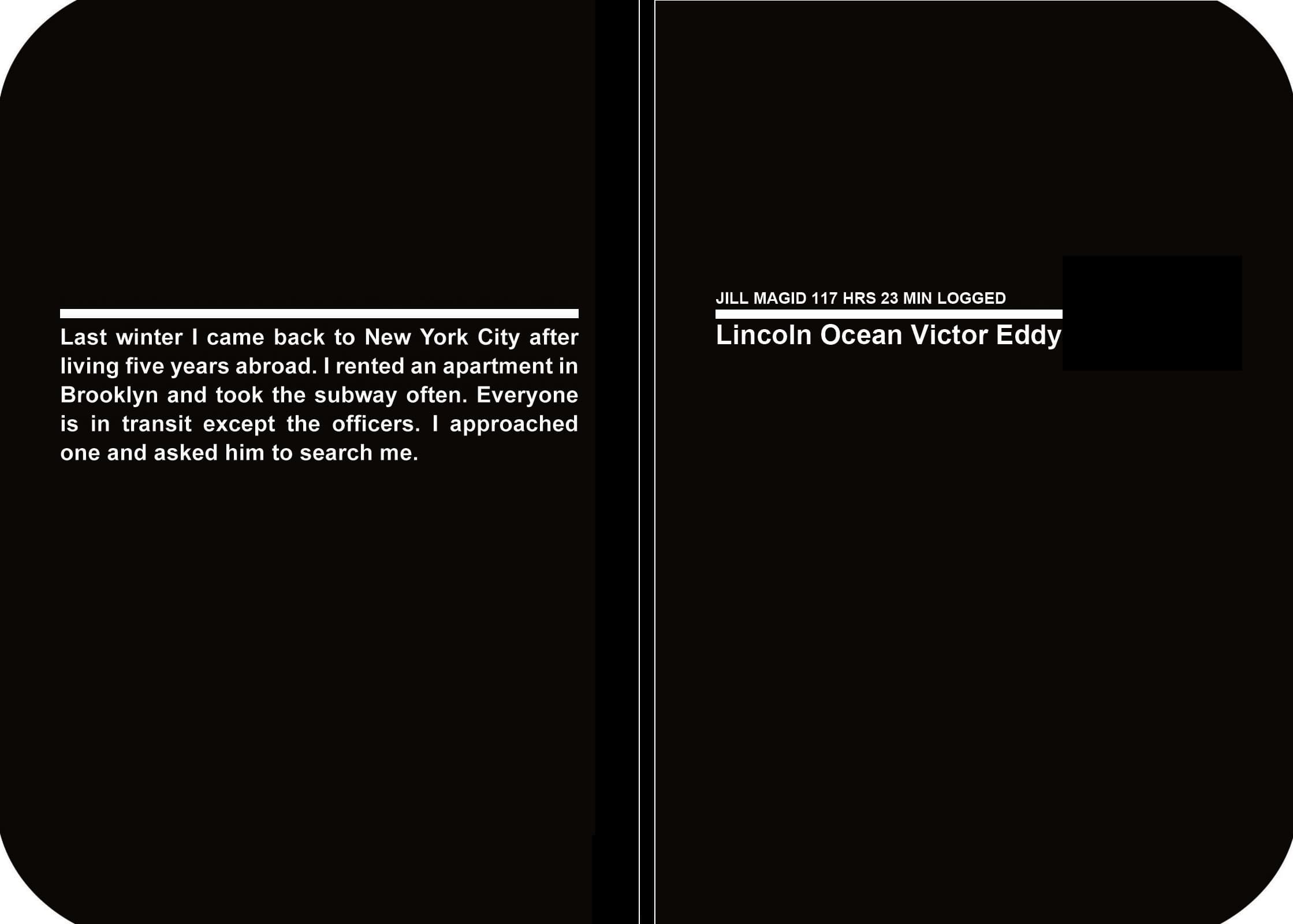
Lincoln Ocean Victor Eddy · 2007
Praise for Lincoln Ocean Victor Eddy: "Ms. Magid's impressive New York debut includes "Lincoln Ocean Victor Eddy," a video and series of photographs accompanied by a haunting novella. All record her five-month friendship with a New York City police officer. She initiated it by asking him to search her (he didn't) and then shadowing him during his night shift, usually on subway platforms in Manhattan and Brooklyn. The best part of the work is the quietly heart-rending novella, a kind of tunnel vision of two people moving along parallel tracks while the city hums around them. The relationship is never consummated, but "Lincoln Ocean Victor Eddy" spells love." —Roberta Smith, The New York Times. Full article found here: Art in Review: Jill Magid at Gagosian , The New York Times, July 27 2007
Request PDF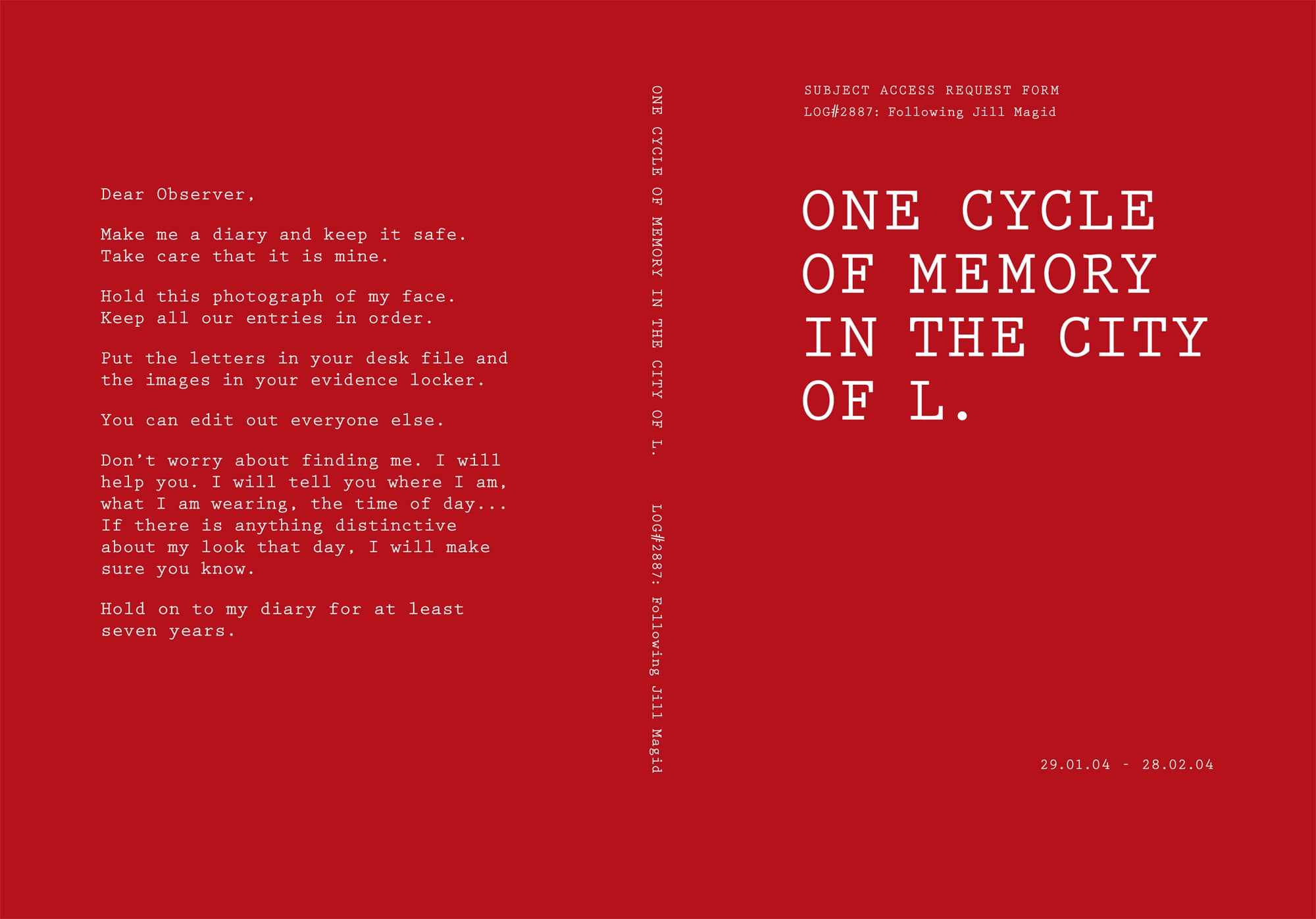
One Cycle of Memory in the City of L · 2004
In the city of Liverpool, there are 242 CCTV cameras monitored by CITYWATCH, a joint operation of Merseyside Police and City Council, from within an unmarked control room, located in the city center. CCTV footage obtained from these cameras is kept for 31 days, after which this footage is erased, unless pulled out as evidence. Pulled footage is kept for a minimum of seven years in an Evidence Locker— a digital record stored in the CCTV stations' main IBM computer. Magid stayed in Liverpool for 31 days to work with the police to create her own evidence locker. This locker, filmed entirely by the police, has over 35 entries, containing over 11 hours of video footage. For access to this footage, Magid had to submit 31 Subject Access Request Forms — the legal document necessary to outline to the police details of how and when an 'incident' occurred. Magid chose to complete these forms as though they were letters to a lover, expressing how she was feeling and what she was thinking.These 'letters' form the novella One Cycle of Memory in the City of L — an intimate portrait of the relationship between herself, the police and the city.
Request PDF
Film
Jill Magid: Quartet (Play for Television)
Full version. The play (directed by Jill Magid) was first performed at the South London Gallery in London on 16 May 2014 -- as "Quartet" followed by a screening of Samuel Beckett's "Quadrat I + II". "Between the performance and the screening there is an intermission of 100'000 years." (J.M after S.B. during the rehearsals)Watch